Serigne Moussa DIA
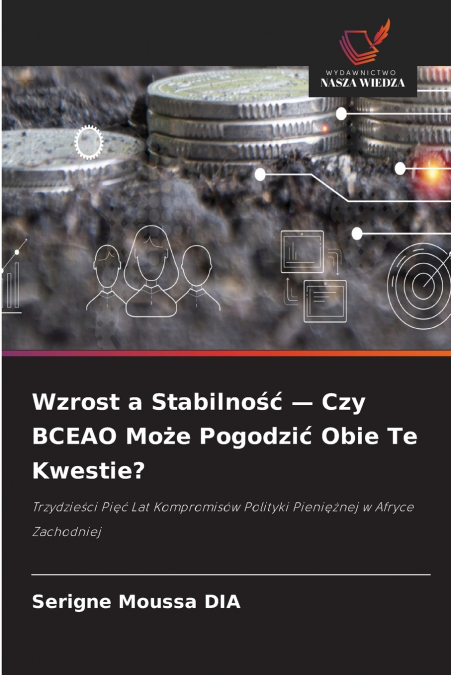
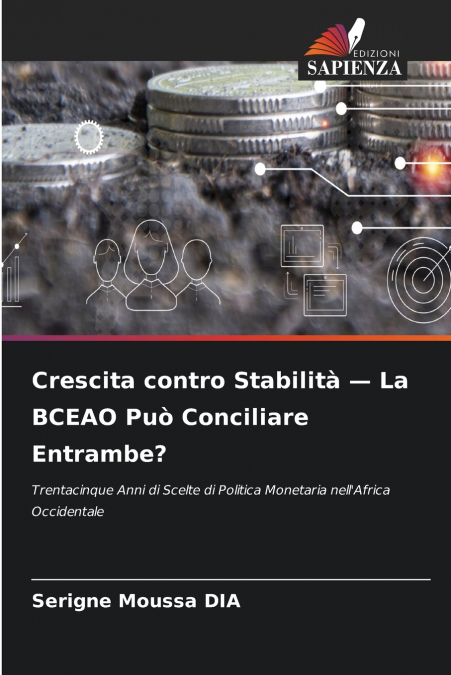
Can a monetary union designed for stability truly deliver the growth its population demands? For thirty-five years, the BCEAO has anchored WAEMU to a fixed parity, controlled inflation, and strict reserve discipline, while growth continuously struggles to match the region’s demographic potential. This book redefines this apparent compromise as an empirical question, rather than merely a political one.Using a Panel VAR model applied to WAEMU banking systems over three decades, the analysis demonstrates that monetary policy transmission is structurally heterogeneous: the pass-through of policy rates varies by country, bank size, ownership structure, and liquidity profile. This heterogeneity, more than the exchange rate parity itself, accounts for a large share of the growth deficit attributed solely to monetary discipline.From this diagnosis emerges a three-pillar strategy: enhanced transmission, structural credit reform, and fiscal-climate sustainability compatible with the currency peg. The result is a rigorous and actionable response to the dilemma posed by the title of this book.