Shane Larson
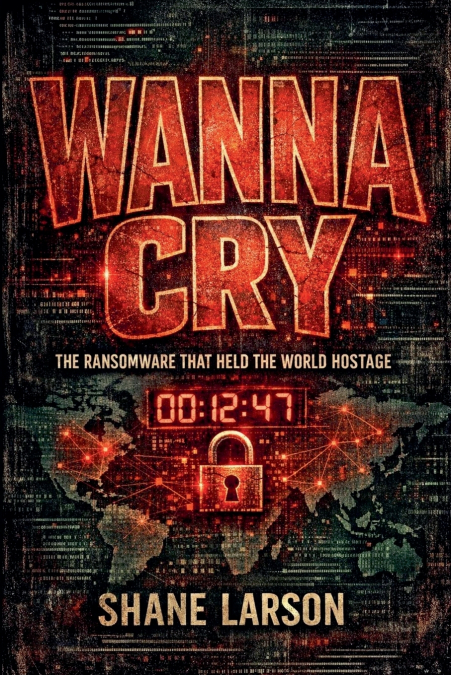
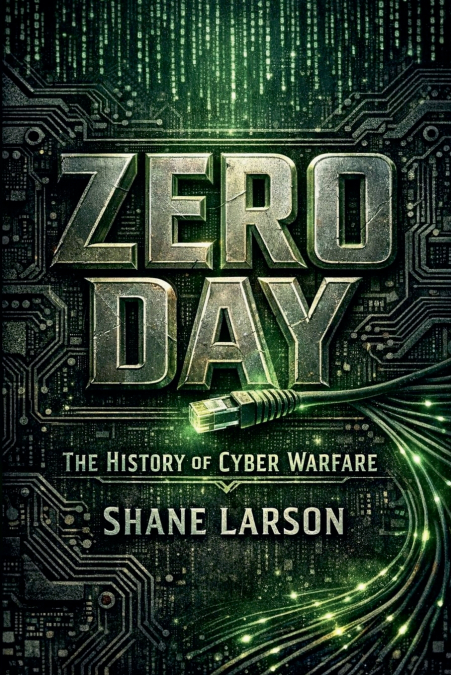
From a curious graduate student’s worm to nation-state armies wielding weaponized code - the complete history of how the internet became a battlefield.In 1988, a Cornell student released a self-replicating program that crashed 10% of the internet. It was primitive, accidental, and quaint by modern standards. It was also the first shot in a war that has never stopped escalating.In the decades since, cyber conflict has evolved from teenage curiosity to organized crime to the most dangerous arena of geopolitical competition on earth. Stuxnet proved that code could destroy nuclear centrifuges. NotPetya proved that a cyberattack on one country could cause $10 billion in collateral damage worldwide. SolarWinds proved that the software supply chain itself could be weaponized. And the ransomware epidemic - shutting down hospitals, pipelines, and entire city governments - proved that the line between cybercrime and cyber warfare is now functionally meaningless.Zero Day tells the complete story. Not a technical manual. Not a policy paper. A narrative history of four decades of escalating digital conflict - the incidents, the actors, and the uncomfortable patterns that keep repeating.Inside this book, you’ll discover:The Morris Worm and the first conviction under the Computer Fraud and Abuse ActHow phone phreaks and early hacker culture planted the seeds of modern cybercrimeMoonlight Maze and Titan Rain: when nation-state espionage moved permanently onlineStuxnet: the U.S.-Israeli operation that turned code into a weapon of physical destructionChina’s Unit 61398 and the industrialization of intellectual property theftThe OPM breach that exposed 22 million security clearance recordsNorth Korea’s attack on Sony Pictures - a nation-state going to war over a movieRussian election interference and the weaponization of stolen informationWannaCry and NotPetya: when cyberattacks caused billions in collateral damageThe SolarWinds supply chain attack that compromised 18,000 organizationsColonial Pipeline and the ransomware epidemic terrorizing critical infrastructureNorth Korea’s billion-dollar cryptocurrency heists funding weapons programsHow AI is transforming both cyberattacks and cyber defense - and why attackers adopt fasterWhere cyber warfare goes next: autonomous AI attacks, quantum computing, and the absence of international lawThis book is for you if:You want to understand the cyber threats dominating today’s headlines - and the history behind themYou’re a business leader or technology professional who needs the big picture on cyber riskYou enjoy narrative nonfiction about technology, espionage, geopolitics, and powerYou’re interested in cybersecurity but don’t have a technical backgroundYou want one comprehensive book that covers the full evolution of cyber conflictYou’ve read other titles in the Digital Outlaws series and want the connective narrative