Carles Perea Rodríguez
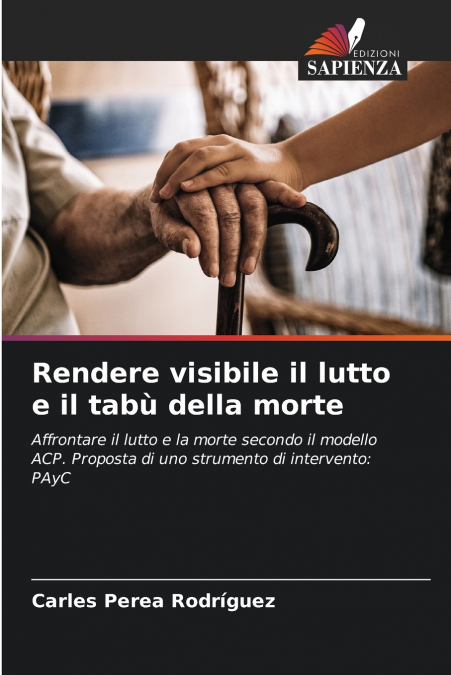
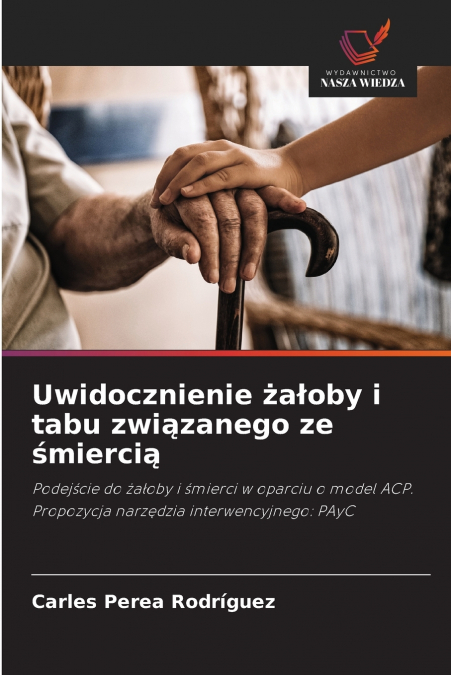
This study addresses the need to raise awareness of grief and confront the taboo surrounding death in residential and social-healthcare settings, based on the Person-Centered Care (PCC) model. It is based on the evidence that, although death is a common occurrence in these settings, the institutional approach to it is not always open, structured, or sensitive to its emotional, relational, and community dimensions. In this context, the main objective of the study is to design the Accompaniment and Closure Plan (PAyC), an institutional and interdisciplinary tool aimed at reviewing the support provided during the end-of-life process and initiating subsequent actions related to support, communication, and closure directed at professionals, families, and caregivers. Methodologically, the study combines a theoretical and literature review with a descriptive exploratory study targeting professionals. A total of 85 valid responses were obtained and analyzed using descriptive statistics and thematic analysis. The results show that, despite the high prevalence of death in professional practice, the aforementioned difficulties persist.