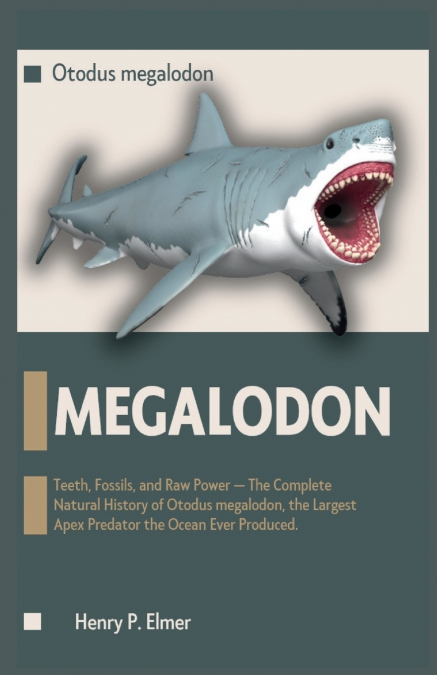
MEGALODON (Otodus megalodon)

MEGALODON (Otodus megalodon)

Henry P. Elmer

34,16 €
IVA incluido
Disponible
Editorial:
Indy Pub
Año de edición:
2026
Materia
Paleontología
ISBN:
9798240849831
34,16 €
IVA incluido
Disponible
Añadir a favoritos

No predator in the fossil record captures the imagination quite like Otodus megalodon. Estimated to have reached lengths of up to sixty feet, with a bite force strong enough to crush the skeleton of a whale, megalodon dominated the world’s oceans for more than fifteen million years, from the early Miocene until its extinction roughly three and a half million years ago. And yet almost everything known about this animal comes from teeth and vertebrae alone, since a cartilaginous skeleton rarely survives the fossilization process.Teeth, Fossils, and Raw Power draws on that fragmentary but extraordinary fossil record to reconstruct megalodon’s biology, its likely size and diet, and its position at the very top of the ancient marine food chain. Henry P. Elmer walks through the history of fossil discovery, from the earliest teeth mistaken for dragon tongues in medieval Europe to the modern paleontological methods now used to estimate the shark’s true dimensions. The book examines competing theories on megalodon’s extinction, including climate change, the cooling of ocean temperatures, and competition from emerging predators such as the early ancestors of the modern great white shark.Beyond the science, the book explores why megalodon continues to grip the public imagination centuries after its disappearance, fueling documentaries, popular myths, and persistent claims that it might still survive in the ocean’s depths. Elmer separates verified science from speculation, giving readers a clear picture of what is actually known, what remains uncertain, and why megalodon still matters to the study of marine ecosystems today.Written in a narrative style accessible to general readers as well as students of paleontology and marine biology, this book offers a complete account of the ocean’s greatest apex predator, grounded entirely in fossil evidence and scientific research.
Artículos relacionados

Otros libros del autor

  • DODO Raphus cucullatus
    Henry P. Elmer
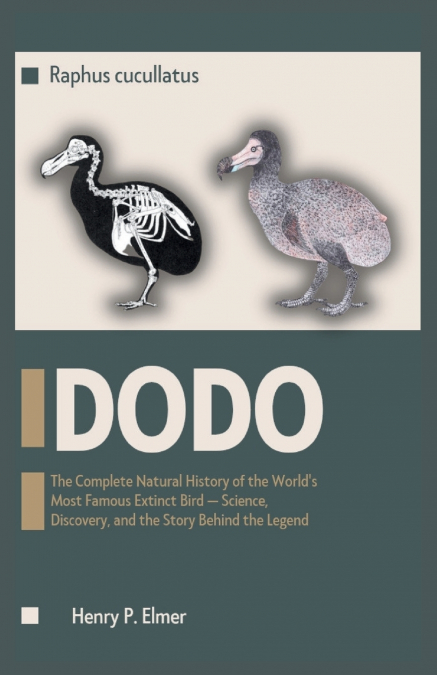
    Few creatures have shaped the human imagination as thoroughly as the dodo, and few are as poorly understood. Raphus cucullatus lived only on the island of Mauritius, evolving over millions of years without natural predators until it lost the need, and eventually the ability, to fly. Then, within less than a century of first contact with European sailors in the 1600s, it was gon...
    Disponible

    31,63 €

  • HAGERMAN HORSE (Equus simplicidens)
    Henry P. Elmer
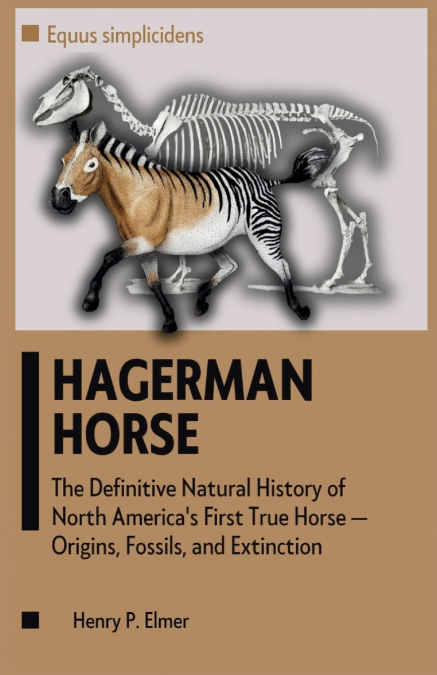
    In 1928, a rancher near Hagerman, Idaho, stumbled onto a fossil deposit that would eventually yield more than two hundred skeletons of a single extinct species, the largest concentration of fossil horses ever found in one place. That animal, Equus simplicidens, is now recognized as one of the earliest true representatives of the genus Equus, and its remains have become central ...
    Disponible

    38,27 €

  • MEGALODON (Otodus megalodon)
    Henry P. Elmer
    No predator in the fossil record captures the imagination quite like Otodus megalodon. Estimated to have reached lengths of up to sixty feet, with a bite force strong enough to crush the skeleton of a whale, megalodon dominated the world’s oceans for more than fifteen million years, from the early Miocene until its extinction roughly three and a half million years ago. And yet ...
    Disponible

    47,22 €

  • DODO (Raphus cucullatus)
    Henry P. Elmer
    Few creatures have shaped the human imagination as thoroughly as the dodo, and few are as poorly understood. Raphus cucullatus lived only on the island of Mauritius, evolving over millions of years without natural predators until it lost the need, and eventually the ability, to fly. Then, within less than a century of first contact with European sailors in the 1600s, it was gon...
    Disponible

    30,33 €

  • HAGERMAN HORSE (Equus simplicidens)
    Henry P. Elmer
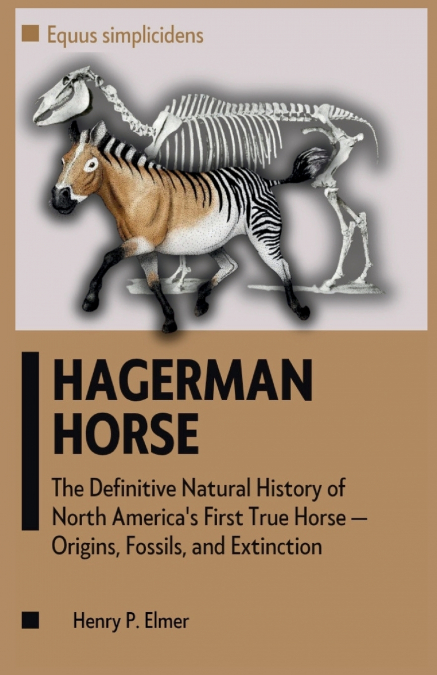
    In 1928, a rancher near Hagerman, Idaho, stumbled onto a fossil deposit that would eventually yield more than two hundred skeletons of a single extinct species, the largest concentration of fossil horses ever found in one place. That animal, Equus simplicidens, is now recognized as one of the earliest true representatives of the genus Equus, and its remains have become central ...
    Disponible

    25,21 €