Kamaruzzaman Bustamam Ahmad
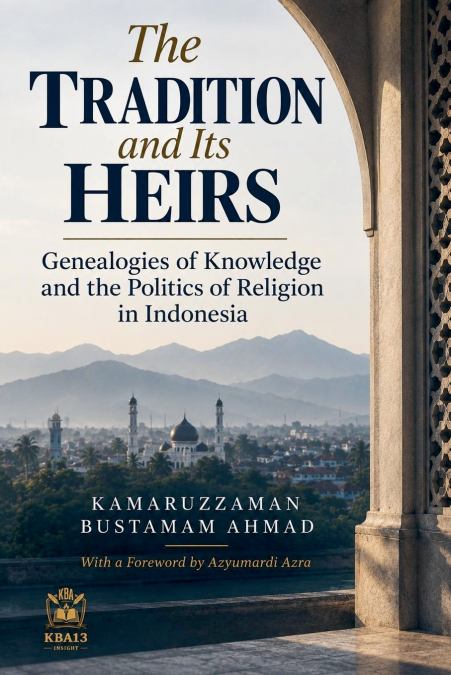
Who has the authority to define Islam in Indonesia-and how is that authority produced, contested, and transmitted across generations?The Tradition and Its Heirs: Genealogies of Knowledge and the Politics of Religion in Indonesia traces the evolving relationship among Islamic knowledge, religious authority, institutions, and political power throughout Indonesian history.Beginning with Nūr al-Dīn al-Rānīrī and the intellectual world of seventeenth-century Aceh, Kamaruzzaman Bustamam Ahmad follows the institutions and thinkers through which Islam came to be interpreted, taught, defended, contested, and politically mobilized. The book examines Islamic higher education and legal studies; Mohammad Natsir, H. M. Rasjidi, and Azyumardi Azra; the intellectual transformation of Nahdlatul Ulama; political Islam after the New Order; sharīʿah and human rights; globalization; terrorism; and the long conflict in Aceh.Originally published in Indonesian in 2004, much of the book was largely written between 2001 and 2003, when Indonesia’s Reformasi was still unfolding, and many of its political and religious questions remained unresolved. This English edition preserves that contemporary vantage point while bringing the original arguments into conversation with scholarship and historical developments from the two decades that followed.The result is more than a history of Indonesian Islam. It is a study of how religious traditions acquire authority, how knowledge becomes institutionalized, how intellectual inheritances are contested by successive generations, and how Islam has negotiated its place within the modern Indonesian state.Combining intellectual history, Islamic studies, political analysis, and close engagement with Aceh, The Tradition and Its Heirs offers scholars, students, and serious readers a distinctive perspective on Islam, power, and social transformation in the world’s largest Muslim-majority country.With a Foreword by Azyumardi Azra.