Niccolò Machiavelli
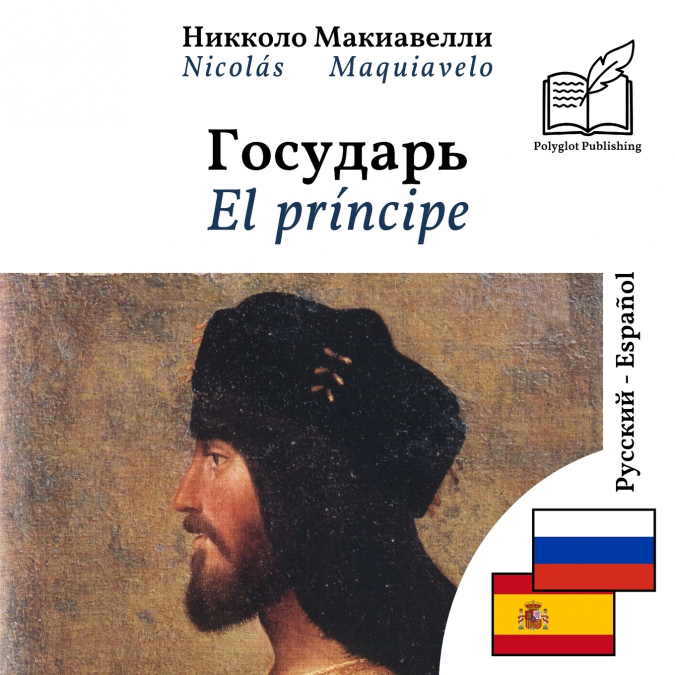
Few political books have been praised, condemned, quoted, and misunderstood as persistently as The Prince. Written chiefly in 1513 after Niccolò Machiavelli was dismissed from Florentine public service, imprisoned, and tortured following the Medici restoration, the treatise distills years of diplomatic experience and historical study into a stark examination of political survival. It circulated in manuscript before appearing in print in 1532, five years after its author’s death.Across a dedicatory letter and twenty-six concise chapters, Machiavelli considers hereditary and newly acquired principalities, conquered territories, civil disorder, military organization, advisers, reputation, promises, cruelty, generosity, popular support, and the unpredictable power of fortune. His examples range from ancient Rome to the fragmented and violent politics of Renaissance Italy. Again and again, he asks not what an ideal ruler ought to do in an ideal world, but what actions preserve a state when rivals, armies, institutions, and public opinion impose unforgiving constraints.That emphasis on effectiveness has given Machiavelli a reputation as an advocate of deception and ruthlessness. The text is more difficult-and more unsettling-than a catalogue of cynical instructions. It distinguishes between cruelty that produces order and violence that multiplies insecurity; warns rulers against hatred and contempt; stresses the weakness of mercenary arms; and insists that circumstances change faster than habits. Virtù in this context is not simple moral virtue but the capacity to act boldly, intelligently, and adaptably against fortune.The Prince remains essential because it refuses the comfort of separating political goals from the means used to pursue them. Readers may reject its conclusions, question its motives, or see irony and republican critique beneath its surface, but they cannot avoid its central challenge: how should power operate in a world where good intentions do not guarantee good outcomes, and where every political action creates consequences beyond the ruler’s control?