Wisnaud Derilon
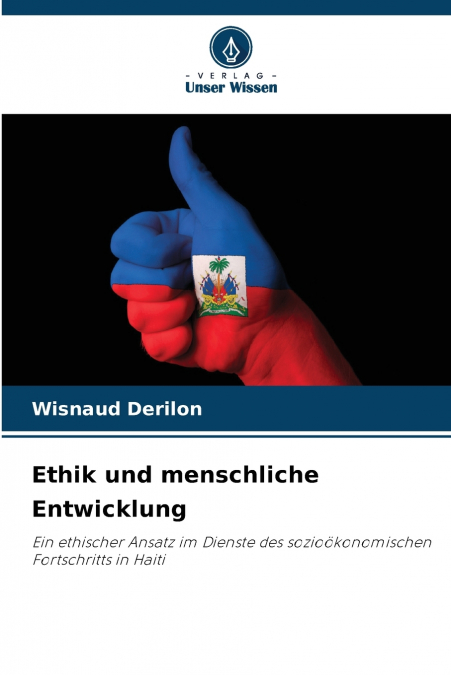
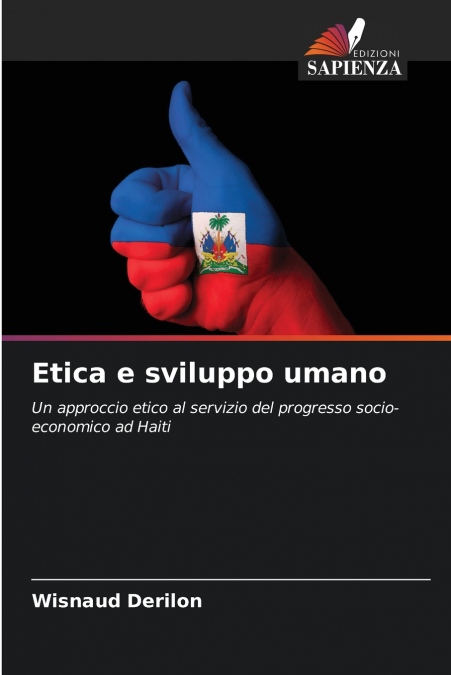
The proclamation of independence on 1 January 1804, which overthrew the slave-owning regime, reflected the Haitian people’s affirmation of their belief in their own dignity. Yet it must be acknowledged that poor public governance and the indifference of the economic and social elites are failing to promote the collective well-being. The rejection of ethical principles is the main explanation for this human tragedy that the country has endured since its inception. We have built a system founded on exploitation, social inequality and exclusion: a manifest lack of will on the part of the country’s ruling elites to pool their efforts towards building a new model of society with a view to eradicating chronic poverty, which constitutes a violation of the Haitian people’s right to live in dignity. The purpose of this book is to understand the link between the practice of ethics in Haitian society and the state of social and economic rights. This analysis proposes an ethical approach centred on human rights as part of the necessary rethinking required to preserve a certain measure of dignity for Haiti.