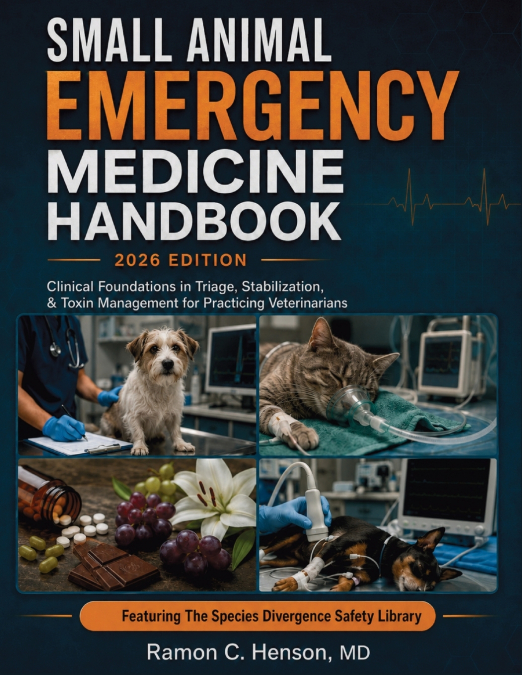
Ramon C. Henson MD
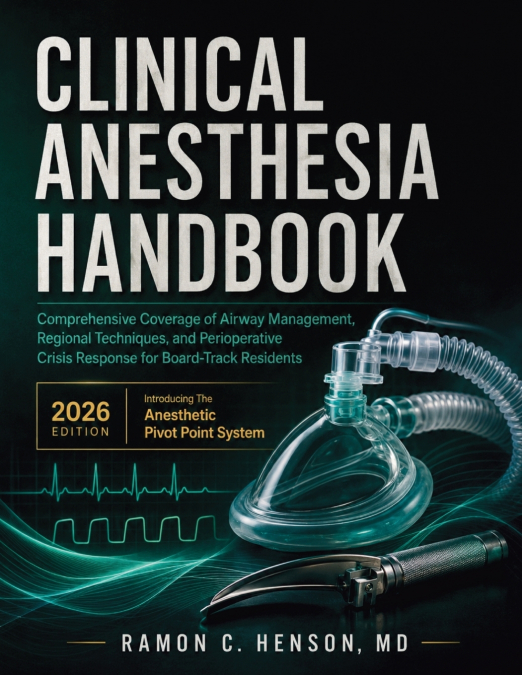
Diagnose the Mechanism, Not Just the Monitor - The Judgment Behind Every Anesthetic Decision, From Induction to Discharge Built for the resident preparing for cases and boards alike, this handbook connects the pharmacokinetics and physiology behind every anesthetic decision to the judgment required to act on it in real time. It moves from receptor theory, volatile agent uptake, and neuromuscular blockade through airway management, regional and neuraxial technique, and the full range of perioperative crises - malignant hyperthermia, anaphylaxis, local anesthetic systemic toxicity, cardiac arrest - before extending into obstetric, pediatric, cardiothoracic, neurologic, and trauma anesthesia, acute and chronic pain management, and the safety systems that hold a perioperative course together from the first case to discharge. Forty-six Anesthetic Pivot Points, each built around the specific moment a familiar reflex risks becoming a trap, run through every chapter and consolidate into a dedicated, cross-referenced atlas for rapid recall on call. From Induction to Discharge, This Handbook Prepares You To • Match agent to physiology - compartmental pharmacokinetics, context-sensitive half-time, and receptor-level reasoning that explain why the same drug behaves differently in the same patient two hours apart.• Own the difficult airway - the ASA algorithm worked through awake intubation, extubation planning, and the exact moment to declare cannot-intubate-cannot-oxygenate and move to a surgical airway.• Catch anaphylaxis hiding inside bronchospasm - and the perioperative emergencies where the reflexive diagnosis is the wrong one, from malignant hyperthermia to local anesthetic systemic toxicity.• Manage the cases that don’t forgive hesitation - emergent cesarean delivery, concealed obstetric hemorrhage, and the pediatric airway and dosing differences that change the plan entirely.• Read the operating field like a second monitor - distinguishing mechanical from pharmacologic instability off-pump, and medically manageable from surgically correctable intracranial crisis.• Adapt technique to the patient and the room - damage control resuscitation, opioid use disorder analgesia, and anesthetic choices when standard monitoring simply isn’t there.• Build analgesia that doesn’t just chase pain scores - multimodal, opioid-sparing regimens for the acute case and the chronic pain patient walking in with it already.• Close every case as carefully as you opened it - structured handoff, discharge readiness, and the disclosure conversation when something goes wrong. Pick it up before your next case - the reasoning behind every decision this specialty asks you to make, in one reference.