Bill Tinglin / Dennis Humphrey
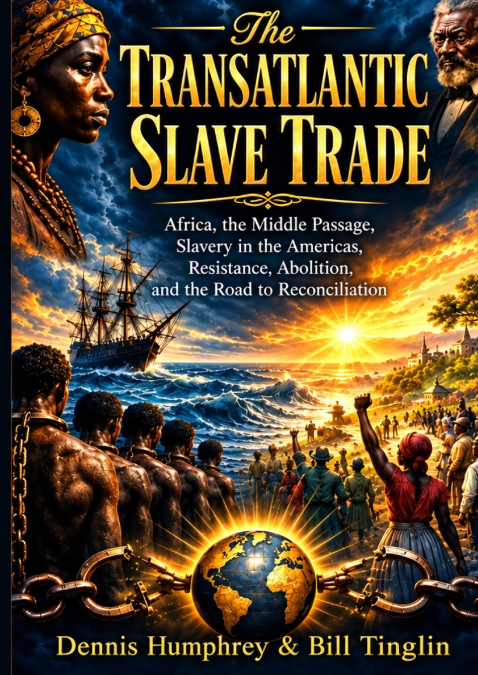
The Transatlantic Slave Trade: Africa, the Middle Passage, Slavery in the Americas, Resistance, Abolition, and the Road to ReconciliationDiscover the history of one of humanity’s most consequential systems of exploitation in this comprehensive, richly illustrated examination of the transatlantic slave trade and its enduring impact on the modern world.Written by Dennis Humphrey and Bill Tinglin, The Transatlantic Slave Trade traces the historical origins of slavery in Africa, the expansion of European colonial commerce, and the economic forces that transported millions of enslaved African men, women, and children across the Atlantic Ocean.Through detailed historical analysis, the book explores the brutal realities of the Middle Passage, the development of plantation slavery throughout the Americas, and the economic, political, and cultural consequences for Africa, Europe, the Caribbean, and the Americas.Beyond the suffering and exploitation, this educational volume examines the courage, resistance, and resilience of enslaved Africans, the rise of abolitionist movements, and the continuing struggle for human dignity, equality, and historical reconciliation.Special Educational Features Include:Historical illustrations and educational imageryTen chapters covering the origins, development, and consequences of the slave tradeChapter reflection questions encouraging critical thinkingQR-linked chapter summaries and study guidesAn interactive AI historical learning assistantHistorical references for additional researchAn Essential Resource for Historical EducationIdeal for history students, educators, homeschool families, libraries, and readers interested in African history, African American history, the Middle Passage, the African diaspora, abolition, and the history of slavery.The Transatlantic Slave Trade provides a foundation for understanding how centuries of forced migration, human exploitation, economic ambition, and resistance shaped societies across continents and continue to influence contemporary discussions of justice and reconciliation.More than a historical account, this book encourages readers to examine the past critically, recognize the resilience of those who endured enslavement, and appreciate the importance of preserving historical memory for future generations. 6