Mary Austin
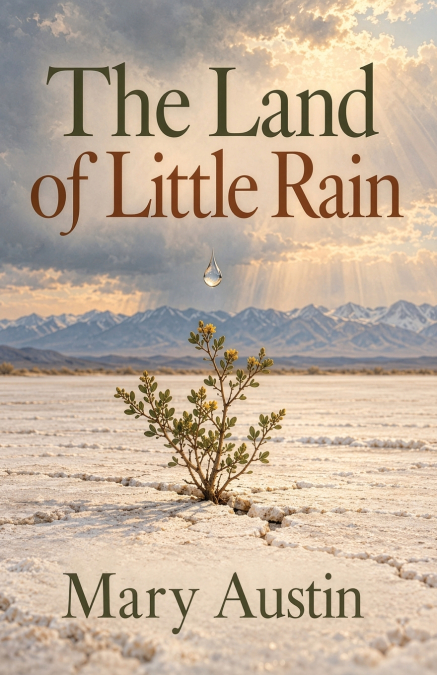
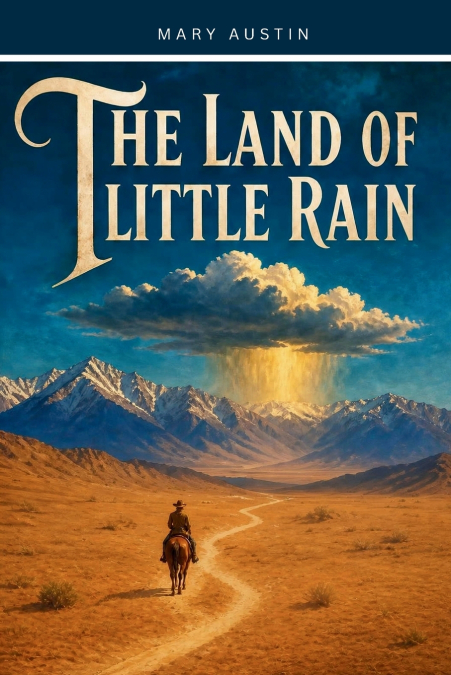
Discover the Hidden Beauty of the American DesertIn The Land of Little Rain, Mary Austin invites readers into the extraordinary landscapes of the American Southwest, where vast deserts, rugged mountains, and seemingly barren valleys conceal a world of remarkable beauty and resilience. First published in 1903, this celebrated collection of nature essays captures the spirit of the desert with lyrical prose, intimate observation, and a profound appreciation for the delicate balance of life in an unforgiving environment.More than a description of wilderness, this timeless literary classic is a meditation on nature, survival, and the deep connections between people and the land.A Landscape Full of Life and WonderSet primarily in the desert regions of eastern California, particularly the country surrounding the Owens Valley and the Mojave Desert, Austin’s writing reveals a landscape far richer than its harsh appearance suggests.Beneath the blazing sun and across the dry valleys, life flourishes in unexpected forms. Desert flowers bloom after rare rainfall, animals adapt to extreme conditions, and hidden springs sustain fragile ecosystems. Through careful observation and vivid descriptions, Austin introduces readers to the subtle rhythms that govern this extraordinary natural world.Her intimate knowledge transforms seemingly empty spaces into living landscapes filled with movement, mystery, and quiet beauty.Wildlife, Survival, and the Wisdom of NatureThroughout the book, Austin explores the remarkable adaptability of desert plants and animals. From elusive creatures navigating rocky terrain to vegetation surviving with minimal water, every living thing has developed its own relationship with the environment.Her observations reveal the intricate connections between climate, geography, and survival. Rather than portraying the desert as a hostile wasteland, she celebrates its resilience and the extraordinary ingenuity of the life it supports.These reflections offer a compelling reminder that even the harshest environments possess their own harmony and natural order.People and Traditions of the DesertAlongside her descriptions of wildlife and scenery, Austin portrays the people who inhabit these remote regions. Indigenous communities, shepherds, miners, and travelers appear throughout her essays, each shaped by the challenges and possibilities of desert life.Her portraits preserve glimpses of regional customs, local knowledge, and human relationships with the land at the beginning of the twentieth century. They also provide a historical perspective on the cultural attitudes and social conditions of Austin’s era.A Masterpiece of American Nature WritingMary Austin’s distinctive literary voice combines scientific curiosity, poetic sensitivity, and philosophical reflection. Her prose captures the colors, sounds, silences, and changing moods of the desert with extraordinary precision.As an important early work of American environmental literature, The Land of Little Rain encourages readers to look beyond conventional ideas of beauty and recognize the value of landscapes often overlooked or misunderstood.Its themes of ecological balance, adaptation, and respect for the natural world remain especially meaningful today.Discover a world where silence speaks, life thrives against the odds, and the smallest details reveal the greatest wonders of nature.