Émile Jaques-Dalcroze
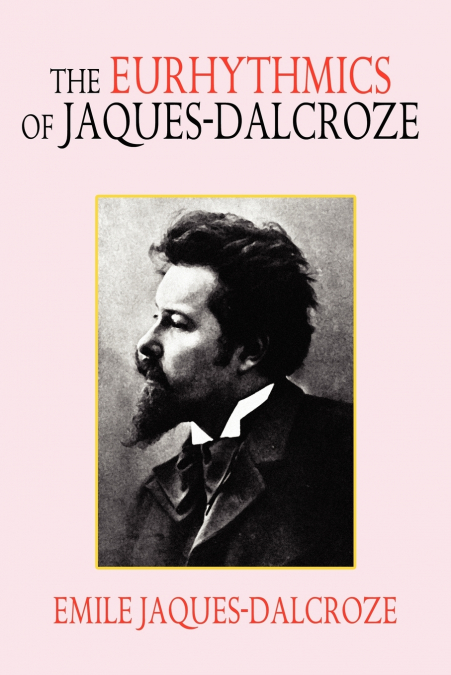
In the early twentieth century, Émile Jaques-Dalcroze developed a new approach to musical learning: rhythm was not merely heard or counted, but experienced through the moving body. The Eurhythmics of Jaques-Dalcroze presents this influential method through Jaques-Dalcroze’s own essay and lectures, alongside explanatory contributions by M. E. Sadler, Percy B. Ingham and Ethel Ingham.The volume explores how movement can cultivate musical perception, physical co-ordination, expressive ability and the connection between mind, nervous system and body. It considers rhythm and metre, rhythmic gymnastics education, ear training through movement and improvisation, showing how practical activity can deepen both musicianship and general education. Its account of the Jaques-Dalcroze method is especially valuable for teachers, performers and students interested in embodied music education and the history of music pedagogy.Tracing the method from its origins in Geneva to the educational experiment at Dresden-Hellerau, the book also records a significant chapter in progressive education history. This Alpha Editions republication makes an important historical document available to readers researching music education, movement practice and the development of modern teaching theory.