Emile Durkheim
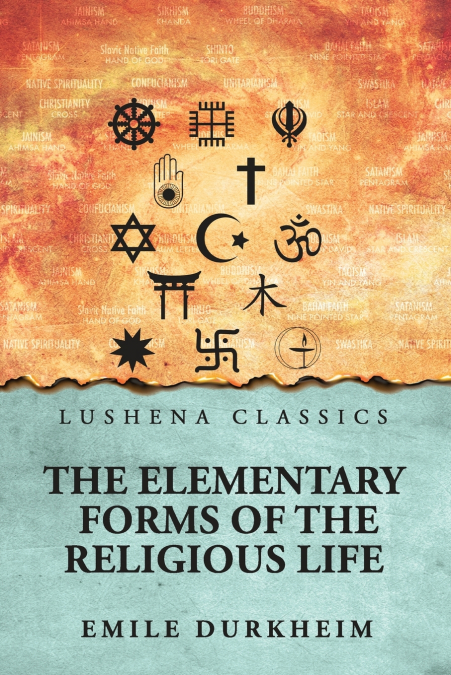
The Elementary Forms of the Religious Life by Émile Durkheim is a landmark work in sociology that explores the origins, purpose, and social functions of religion. Focusing on Australian Aboriginal totemism, Durkheim argues that religious beliefs and rituals strengthen social cohesion, reinforce shared values, and create collective identity. He introduces influential concepts such as the sacred and the profane, collective consciousness, and collective effervescence. Blending anthropology, sociology, and philosophy, this classic examines how religion shapes human societies beyond faith alone. Ideal for students of sociology, anthropology, religion, and social theory, it remains an essential and thought-provoking academic text.