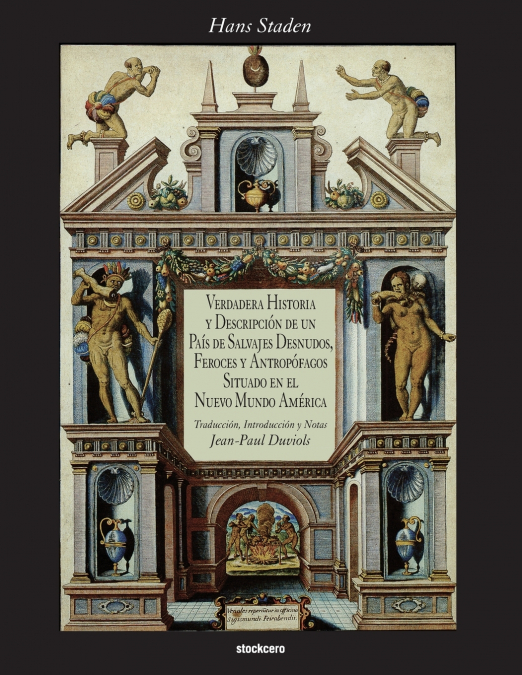
Hans Staden
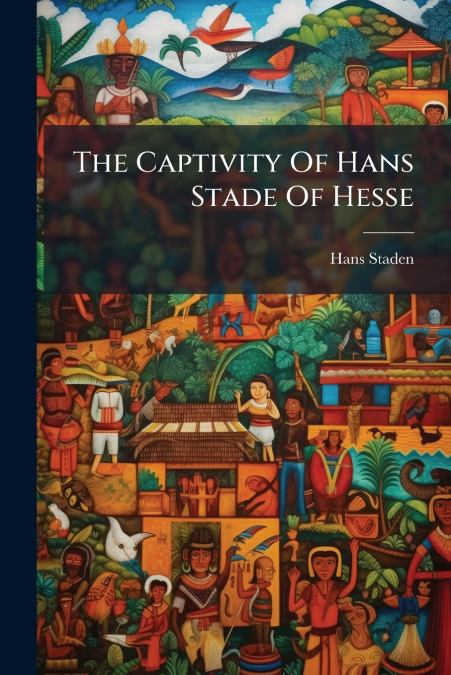
'The Captivity Of Hans Stade Of Hesse' recounts the extraordinary experiences of Hans Staden, a German soldier and adventurer, during his imprisonment by the Tupinambá people of Brazil in the mid-16th century. Staden’s firsthand account offers a rare and unsettling glimpse into the lives and customs of a Native American tribe, famed for their ritualistic cannibalism, from the unique perspective of a European captive. Captured while in the service of the Portuguese, Staden spent several years among the Tupinambá, learning their language and observing their traditions. His narrative details his struggles for survival, his attempts to understand his captors, and his eventual escape. This historical document provides invaluable insights into the early interactions between Europeans and indigenous populations in the New World and explores themes of cultural clash, survival, and the human capacity for both cruelty and understanding. 'The Captivity Of Hans Stade Of Hesse' remains a significant work for those interested in the history of exploration, anthropology, and the colonial era in South America.This work has been selected by scholars as being culturally important, and is part of the knowledge base of civilization as we know it. This work was reproduced from the original artifact, and remains as true to the original work as possible. Therefore, you will see the original copyright references, library stamps (as most of these works have been housed in our most important libraries around the world), and other notations in the work.This work is in the public domain in the United States of America, and possibly other nations. Within the United States, you may freely copy and distribute this work, as no entity (individual or corporate) has a copyright on the body of the work.As a reproduction of a historical artifact, this work may contain missing or blurred pages, poor pictures, errant marks, etc. Scholars believe, and we concur, that this work is important enough to be preserved, reproduced, and made generally available to the public. We appreciate your support of the preservation process, and thank you for being an important part of keeping this knowledge alive and relevant.