Steady Hand, Quiet Mind

Steady Hand, Quiet Mind

Stephen Puttrich

16,17 €
IVA incluido
Disponible
Editorial:
Fairview & Evergreen, LLC
Año de edición:
2026
Materia
Ética y filosofía moral
ISBN:
9798995598503
16,17 €
IVA incluido
Disponible
Añadir a favoritos

The hardest part of being an artist is not the paint. It is the distraction, the comparison, the ego, the fear, and the pressure of a culture that mistakes noise for substance.Marcus Aurelius wrote his Meditations nearly two thousand years ago to govern his own mind under impossible pressure. The same wisdom that helped a Roman emperor stay sane can help a working painter stay steady at the easel.Steady Hand, Quiet Mind translates the most durable ideas from Stoic philosophy into the daily working life of fine artists. Each chapter takes a single principle and applies it directly to the studio, the field, the classroom, and the quiet hours when no one is watching. This is not a summary of Stoicism. It is a practical, original guide written by a working painter for working painters.Inside, you will find honest counsel on:Governing your mind before you govern your brushReleasing what you cannot control: juries, sales, weather, opinionsHandling praise and criticism without losing your compassBuilding a sustainable practice through rhythm and patient returnSimplifying your design, your palette, your storyUsing obstacles as creative fuel rather than excusesTeaching with generosity instead of performanceEnduring the dry seasons every serious artist facesPursuing quiet excellence over noisy ambitionDesign gives clarity. Story gives meaning. Freshness gives life. These three ideas run through the book as a practical lens, woven together with the deeper conviction that the artist’s eye, craft, time, and influence are not merely possessions to exploit. They are gifts to tend faithfully.Written in plain, grounded language for oil painters, watercolorists, plein air painters, instructors, and any serious creative who wants to work with more clarity, discipline, courage, and peace.A steady hand begins with a quiet mind.

Artículos relacionados

  • Ka Ab Ba Building The Lighted Temple
    Dr Terri R. Nelson / Dr Terri RNelson
    The book KaAbBa Building The Lighted Temple/Metaphysical Keys to the Tree of Life draws a circle that is inclusive of the Afrikan origin of the Ancient Kemetic/Egyptian wisdom. It reveals the undeniable root and link of Ancient Africa to all the religious systems that would develop worldwide. This book is explosive in its power to convey the meaning of KaAbBa, the Medu Neter  (...
    Disponible

    37,41 €

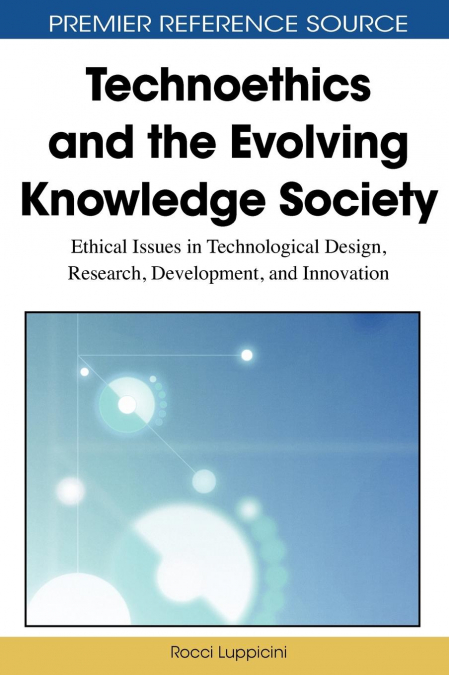
  • Technoethics and the Evolving Knowledge Society
    Rocci Luppicini
    Recently, there has been a major push to rediscover the ethical dimension of technology across the sciences, social sciences, and humanities. Technoethics and the Evolving Knowledge Society: Ethical Issues in Technological Design, Research, Development, and Innovation examines human processes and practices connected to technology embedded within social, political, and moral sph...
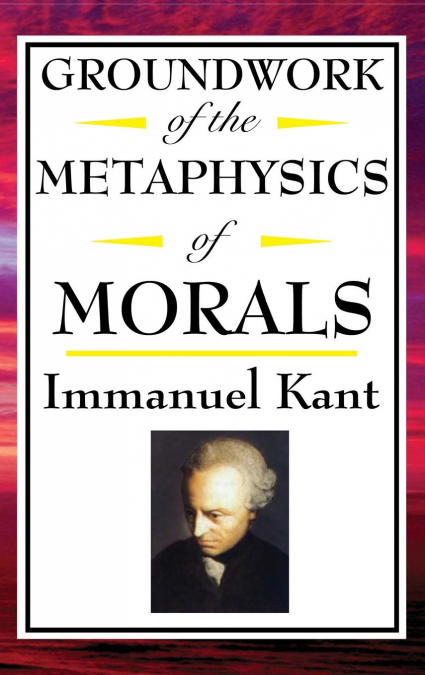
  • Kant
    Immanuel Kant
    Kant’s Groundwork of the Metaphysics of Morals is one of the most important works in modern moral philosophy. It belongs beside Plato, Aristotle, Machiavelli, and Hobbes. Here Kant sets out to articulate and defend the Categorical Imperative - the fundamental principle that underlies moral reasoning - and to lay the foundation for a comprehensive account of justice and human vi...
  • On the Duty of Civil Disobedience
    HENRY DAVID THOREAU
    Civil Disobedience argues that citizens should not permit their governments to overrule their consciences, and that they have a duty to avoid allowing their acquiescence to enable the government to make them the agents of injustice. Thoreau was motivated in part by his disgust with slavery and the Mexican-American War, but the sentiments he expresses here are just as pertinent ...
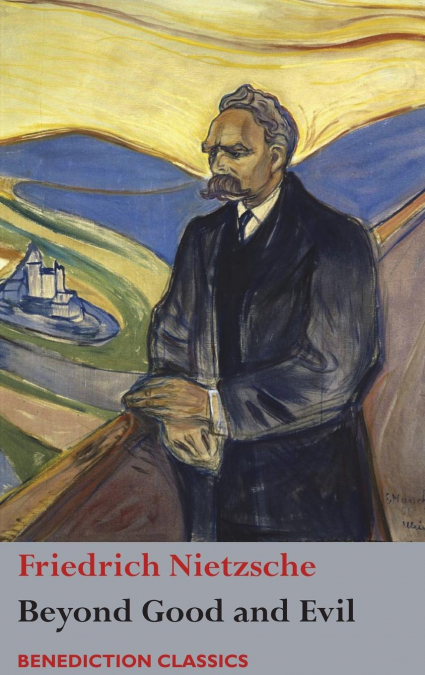
  • Beyond Good and Evil
    Friedrich Nietzsche
    Nietzsche, though primarily a philosopher, wrote widely on art, philology, history, religion, tragedy, culture, and science.  In 1886, at the height of his powers, he published Beyond Good and Evil.  Here he examines much of the best of human thought--dogmatic philosophy, Judeo-Christian morality, science and democracy – and finds it lacking.  Rejecting “slave-morality” he pres...
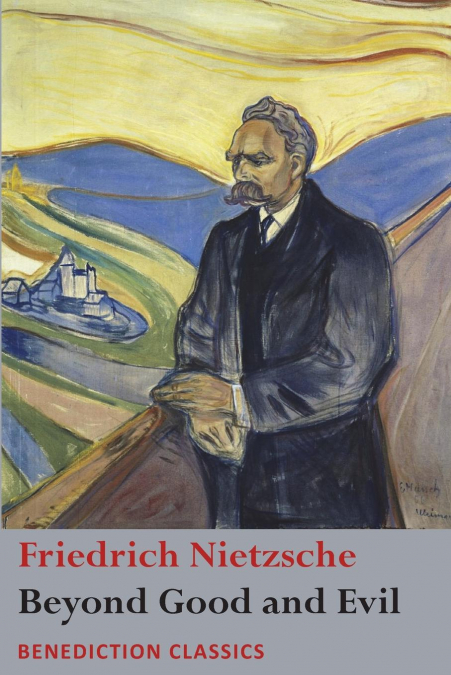
  • Beyond Good and Evil
    Friedrich Nietzsche
    Nietzsche, though primarily a philosopher, wrote widely on art, philology, history, religion, tragedy, culture, and science.  In 1886, at the height of his powers, he published Beyond Good and Evil.  Here he examines much of the best of human thought--dogmatic philosophy, Judeo-Christian morality, science and democracy – and finds it lacking.  Rejecting “slave-morality” he pres...
    Disponible

    9,99 €

Otros libros del autor

  • When the Studio Goes Sideways
    Stephen Puttrich
    Every working painter has had the same morning. You walk into the studio ready to paint. The coffee is made. The panel is waiting. And something is wrong. You cannot name it. The room looks fine. The tools are in their places. But something inside the room is saying no, and within twenty minutes you are standing there feeling like a fraud who has forgotten how to do the thing y...
    Disponible

    16,15 €