Inicio > Humanidades > Filosofía > Ética y filosofía moral > Pirkei Avot (Ethics of the Fathers)
Pirkei Avot (Ethics of the Fathers)

Pirkei Avot (Ethics of the Fathers)

Joseph G. Rosenstein

43,11 €
IVA incluido
Disponible
Editorial:
Academic Studies Press
Año de edición:
2026
Materia
Ética y filosofía moral
ISBN:
9798897831432
43,11 €
IVA incluido
Disponible
Añadir a favoritos

Pirkei Avot consists of teachings initially assembled c. 200 CE, a small part of the Mishnah, a compilation of Jewish practices necessitated by the destruction of the Temple in 70 CE. Ethical issues play such a large role in Pirkei Avot that early translators called it Ethics of the Fathers. In Pirkei Avot, one teaching typically is unrelated to the next teaching; the same is true in almost every commentary. Because the 123 teachings in Pirkei Avot are not arranged by topic and often appear unrelated to one another, its broader conceptual framework-the 'big picture'—can easily be overlooked. Pirkei Avot: The Big Picture addresses that challenge by approaching Pirkei Avot thematically. It examines key topics, including the Oral Torah, the world to come, the study of Torah, and a range of ethical concerns. It focuses on the thematic connections in Pirkei Avot and provides a narrative flow that readers will find valuable. It offers readers a clearer sense of structure and a more coherent understanding of Pirkei Avot as a unified work.- Pirkei Avot: The Big Picture focuses on the major themes of Pirkei Avot, including the oral Torah, the world to come, the study of Torah, and ethical issues- Unlike other commentaries, it does not discuss the mishnayot (teachings) in the order in which they appear; instead, it connects and discusses together mishnayot that have a common theme even though they are not near to each other in the text of Pirkei Avot- It discusses the major developments in Judaism in the generations following the destruction of the Temple and Jerusalem, as they are reflected in Pirkei Avot- One major focus of the book is on ethics; in this extended chapter, the general non- directive statements in Pirkei Avot are converted into 90 action-oriented ethical principles- The 90 ethical principles are divided into 16 coherent groups and the essay discussing each group ends with a kavvanah (short meditation) to assist readers who intend to implement the ethical principles in that group in their own lives 6
Artículos relacionados

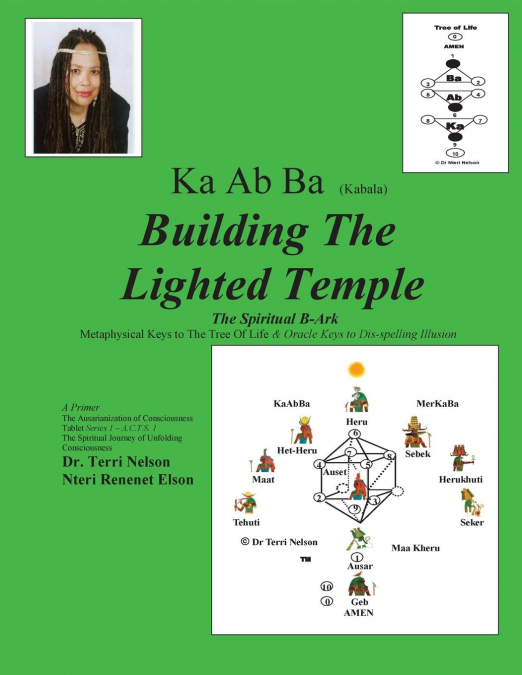
  • Ka Ab Ba Building The Lighted Temple
    Dr Terri R. Nelson / Dr Terri RNelson
    The book KaAbBa Building The Lighted Temple/Metaphysical Keys to the Tree of Life draws a circle that is inclusive of the Afrikan origin of the Ancient Kemetic/Egyptian wisdom. It reveals the undeniable root and link of Ancient Africa to all the religious systems that would develop worldwide. This book is explosive in its power to convey the meaning of KaAbBa, the Medu Neter  (...
    Disponible

    37,41 €

  • Technoethics and the Evolving Knowledge Society
    Rocci Luppicini
    Recently, there has been a major push to rediscover the ethical dimension of technology across the sciences, social sciences, and humanities. Technoethics and the Evolving Knowledge Society: Ethical Issues in Technological Design, Research, Development, and Innovation examines human processes and practices connected to technology embedded within social, political, and moral sph...
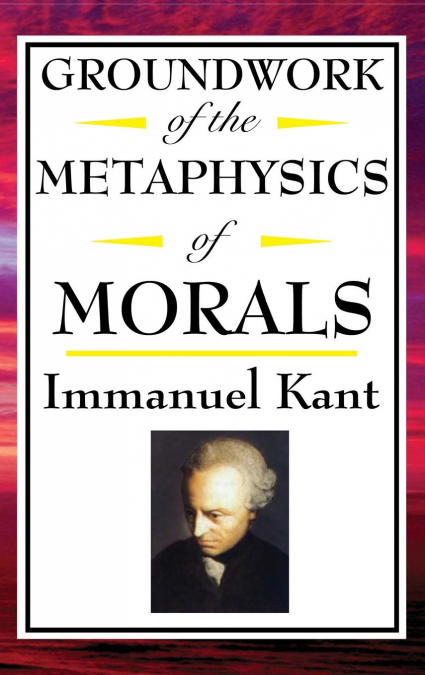
  • Kant
    Immanuel Kant
    Kant’s Groundwork of the Metaphysics of Morals is one of the most important works in modern moral philosophy. It belongs beside Plato, Aristotle, Machiavelli, and Hobbes. Here Kant sets out to articulate and defend the Categorical Imperative - the fundamental principle that underlies moral reasoning - and to lay the foundation for a comprehensive account of justice and human vi...
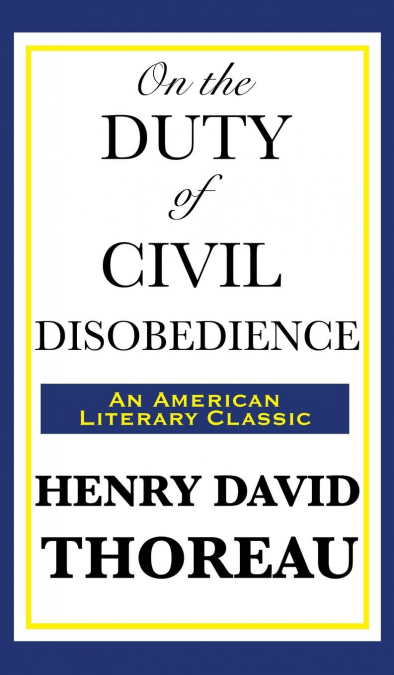
  • On the Duty of Civil Disobedience
    HENRY DAVID THOREAU
    Civil Disobedience argues that citizens should not permit their governments to overrule their consciences, and that they have a duty to avoid allowing their acquiescence to enable the government to make them the agents of injustice. Thoreau was motivated in part by his disgust with slavery and the Mexican-American War, but the sentiments he expresses here are just as pertinent ...
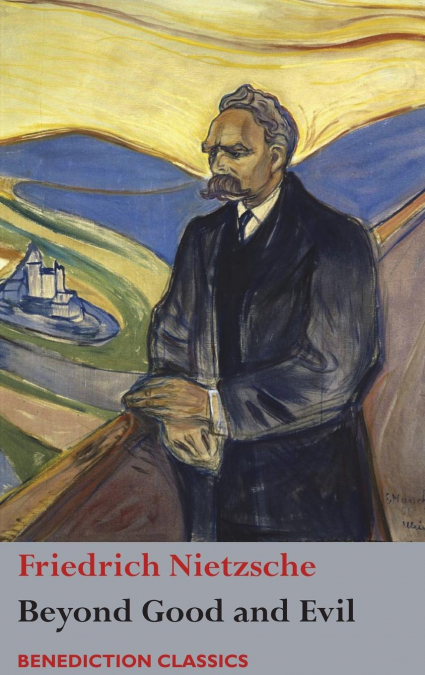
  • Beyond Good and Evil
    Friedrich Nietzsche
    Nietzsche, though primarily a philosopher, wrote widely on art, philology, history, religion, tragedy, culture, and science.  In 1886, at the height of his powers, he published Beyond Good and Evil.  Here he examines much of the best of human thought--dogmatic philosophy, Judeo-Christian morality, science and democracy – and finds it lacking.  Rejecting “slave-morality” he pres...
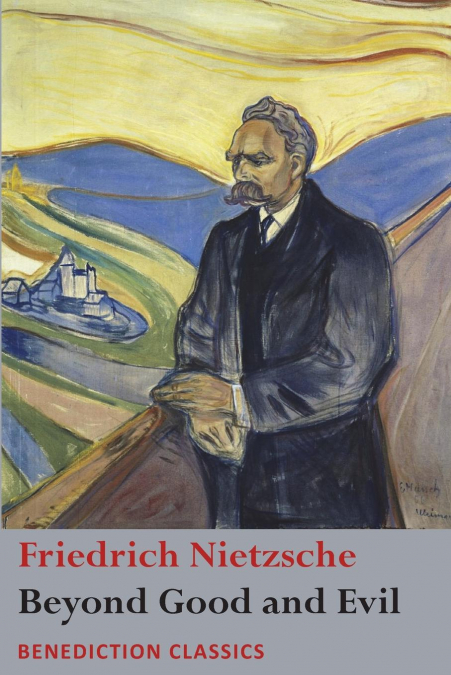
  • Beyond Good and Evil
    Friedrich Nietzsche
    Nietzsche, though primarily a philosopher, wrote widely on art, philology, history, religion, tragedy, culture, and science.  In 1886, at the height of his powers, he published Beyond Good and Evil.  Here he examines much of the best of human thought--dogmatic philosophy, Judeo-Christian morality, science and democracy – and finds it lacking.  Rejecting “slave-morality” he pres...
    Disponible

    9,99 €