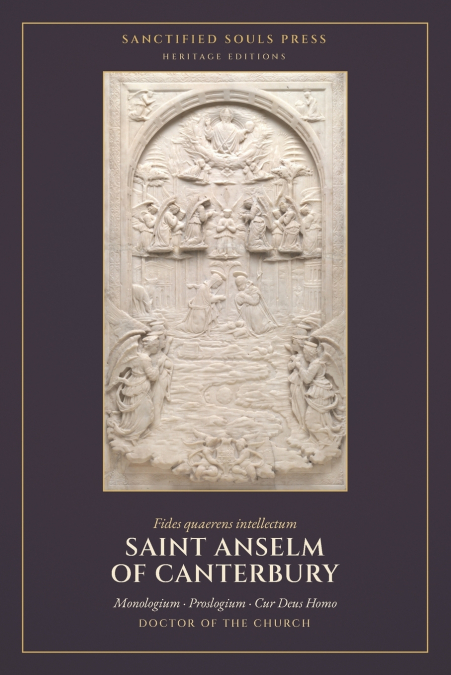
Monologium, Proslogium, and Cur Deus Homo

Monologium, Proslogium, and Cur Deus Homo

Saint Anselm of Canterbury / Sidney Norton Deane

14,28 €
IVA incluido
Disponible
Editorial:
Indy Pub
Año de edición:
2026
Materia
Filosofía occidental: antigua, hasta c. 500
ISBN:
9798240837425
14,28 €
IVA incluido
Disponible
Añadir a favoritos

Anselm of Canterbury (1033-1109), monk of Bec, Archbishop of Canterbury, and Doctor of the Church, sought God not by setting reason against faith, but by letting faith seek understanding: fides quaerens intellectum. 'I do not seek to understand that I may believe,' he wrote, 'but I believe that I may understand.'This volume gathers his three principal works. In the Monologium he reasons his way, argument by argument, to the being and nature of the supreme Good. In the Proslogium he compresses the whole into a single famous argument: that God is that than which nothing greater can be conceived, which drew the reply of the monk Gaunilo, and Anselm’s answer, printed here after it. In Cur Deus Homo, Why God Became Man, he asks by what reason and necessity God took our nature and our death, and gives the doctrine of the Atonement its most enduring statement.A compilation of four related works, presented complete and unabridged, in the public-domain translations of Sidney Norton Deane and James Gardiner Vose (Open Court, 1903).
Artículos relacionados

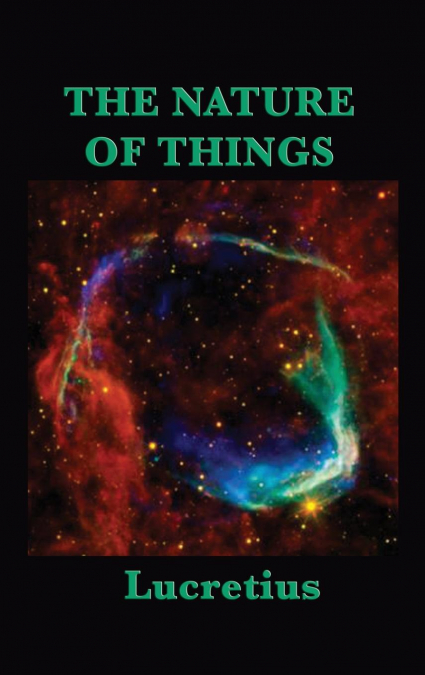
  • The Nature of Things
    Lucretius Lucretius
    De rerum natura (On the Nature of Things) is a 1st century BC didactic poem by the Roman poet and philosopher Lucretius with the goal of explaining Epicurean philosophy to a Roman audience. Lucretius presents the principles of atomism; the nature of the mind and soul; explanations of sensation and thought; the development of the world and its phenomena; and explains a variety o...
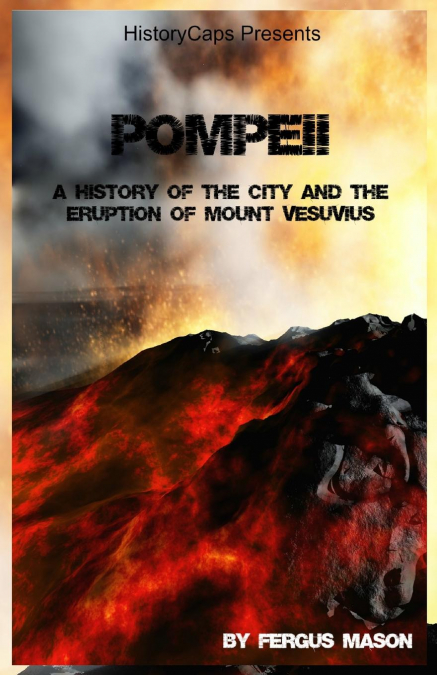
  • Pompeii
    Fergus Mason
    Pompeii was one of most advanced cities of its time; it had a complex water system, gymnasium, and an amphitheater. Despite it's advancements, there was one thing it wasn't ready for: Mount Vesuvius—the volcano that led to its ultimate doom.  The 79 AD eruption of Mount Vesuvius was one of the worst disasters in all of European history. In a near instant, over 15,000 p...
    Disponible

    10,36 €

  • Middle Platonism and Neoplatonism, Volume 1
    Stephen Gersh
    'It is generally agreed that those types of philosophy that are loosely called ’Platonic’ and ’Neoplatonic’ played a crucial role in the history of European culture during the centuries between antiquity and the Renaissance. However, until now no scholar has attempted to describe the evolution of these forms of thought in a single comprehensive academic study.' So writes Stephe...
  • Middle Platonism and Neoplatonism, Volume 2
    Stephen Gersh
    It is generally agreed that those types of philosophy that are loosely called 'Platonic' and 'Neoplatonic' played a crucial role in the history of European culture during the centuries between antiquity and the Middle Ages. However, until now no scholar has attempted to describe the evolution of these forms of thought in a single comprehensive academic study. Middle Platonism a...
  • Porphyry’s Commentary on Ptolemy’s Harmonics
    Andrew Barker
    ...
    Disponible

    80,87 €

  • The Roots of Platonism
    John Dillon
    ...
    Disponible

    26,54 €