Mapping and the Citizen Sensor

Mapping and the Citizen Sensor

Mapping and the Citizen Sensor


68,03 €
IVA incluido
Disponible
Editorial:
Ubiquity Press
Año de edición:
2017
Materia
Geografía
ISBN:
9781911529163
68,03 €
IVA incluido
Disponible
Añadir a favoritos

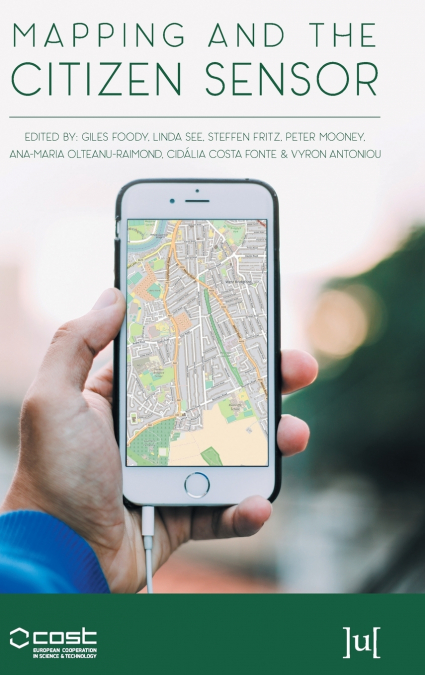
Maps are a fundamental resource in a diverse array of applications ranging from everyday activities, such as route planning through the legal demarcation of space to scientific studies, such as those seeking to understand biodiversity and inform the design of nature reserves for species conservation. For a map to have value, it should provide an accurate and timely representation of the phenomenon depicted and this can be a challenge in a dynamic world. Fortunately, mapping activities have benefitted greatly from recent advances in geoinformation technologies. Satellite remote sensing, for example, now offers unparalleled data acquisition and authoritative mapping agencies have developed systems for the routine production of maps in accordance with strict standards. Until recently, much mapping activity was in the exclusive realm of authoritative agencies but technological development has also allowed the rise of the amateur mapping community. The proliferation of inexpensive and highly mobile and location aware devices together with Web 2.0 technology have fostered the emergence of the citizen as a source of data. Mapping presently benefits from vast amounts of spatial data as well as people able to provide observations of geographic phenomena, which can inform map production, revision and evaluation. The great potential of these developments is, however, often limited by concerns. The latter span issues from the nature of the citizens through the way data are collected and shared to the quality and trustworthiness of the data. This book reports on some of the key issues connected with the use of citizen sensors in mapping. It arises from a European Co-operation in Science and Technology (COST) Action, which explored issues linked to topics ranging from citizen motivation, data acquisition, data quality and the use of citizen derived data in the production of maps that rival, and sometimes surpass, maps arising from authoritative agencies.

Artículos relacionados

  • Tourism and Indigeneity in the Arctic
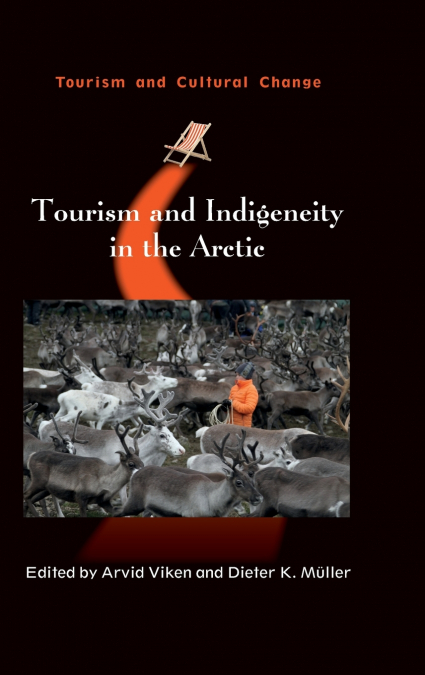
    This is the first book to exclusively address tourism and indigenous peoples in the circumpolar North. It examines how tourism in indigenous communities is influenced by academic and political discourses, and how these communities are influenced by tourism. The volume focuses on the ambivalence relating to tourism as a modern force within ethnic groups who are concerned with ma...
    Disponible

    216,21 €

  • Playas en la costa caribeña colombiana
    Diva Marcela Piamba Tulcán / Eduardo Silva Peña / Eliana Díaz Muñoz / Juliana Javierre / Mónica María Del Valle Idárraga / Yessica Chiquillo
    En este libro, reconstruimos el surgimiento y transformación de varias playas del hoy llamado Caribe colombiano, como playas turísticas, entre 1950 y 1990. Mediante un análisis de archivos periodísticos y audiovisuales y de narraciones de Amira de la Rosa, Jaime Manrique, Fanny Buitrago, Tomás González, entre otros, desanudamos el cronotopo playas, tomando como foco Prado Mar y...
    Disponible

    20,75 €

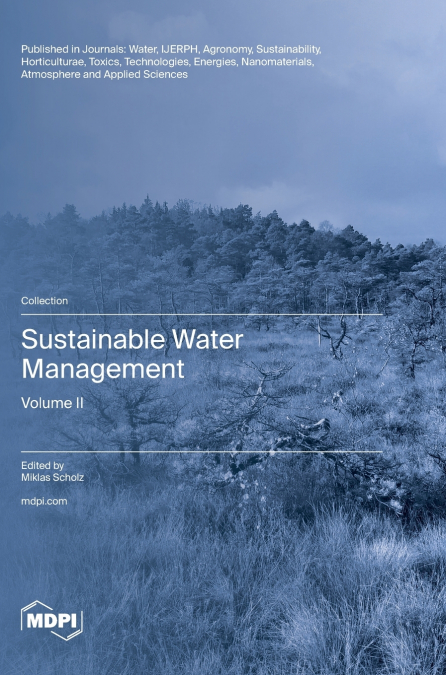
  • Sustainable Water Management
    Miklas Scholz
    The collection is comprised of 40 reprinted articles grouped into six sections. Section 1 is concerned with the interface between climate change, water resources and public health. The water-related impacts of climate change on agriculture and, subsequently, on public health are also assessed. Agricultural water management is covered in Section 2. Novel water retention and nutr...
    Disponible

    108,11 €

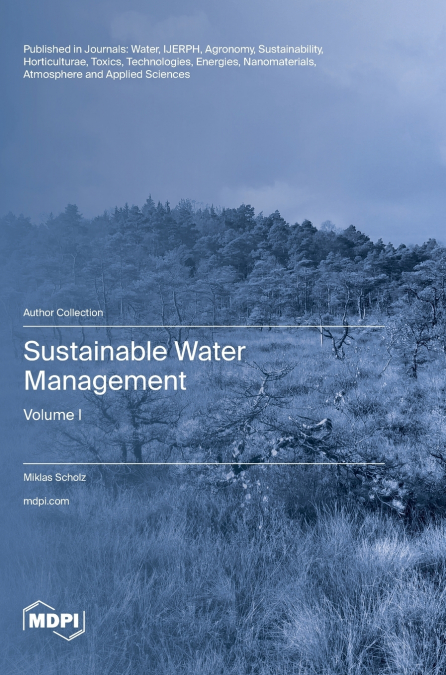
  • Sustainable Water Management
    Miklas Scholz
    The collection is comprised of 40 reprinted articles grouped into six sections. Section 1 is concerned with the interface between climate change, water resources and public health. The water-related impacts of climate change on agriculture and, subsequently, on public health are also assessed. Agricultural water management is covered in Section 2. Novel water retention and nutr...
    Disponible

    137,35 €

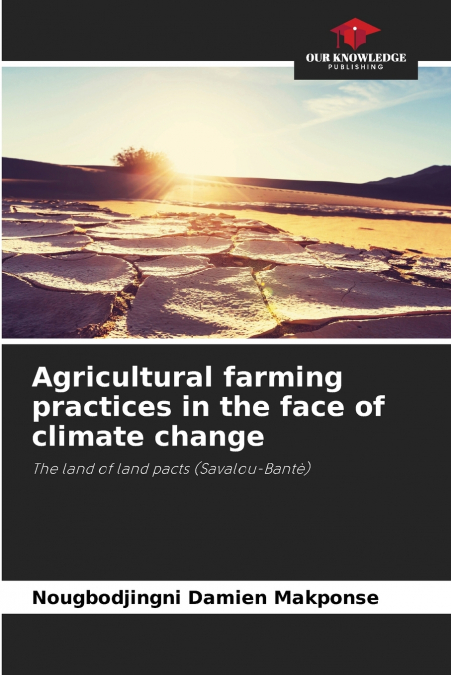
  • Agricultural farming practices in the face of climate change
    Nougbodjingni Damien Makponse
    In recent years, the land pact region has experienced the vulnerability and adverse effects of climate change. This research analyses the adaptation strategies used by farmers to improve their living conditions. The methodology used consists of collecting, processing and analysing results based on 120 farmers in two districts of each commune. The field results reveal that the i...
    Disponible

    48,30 €

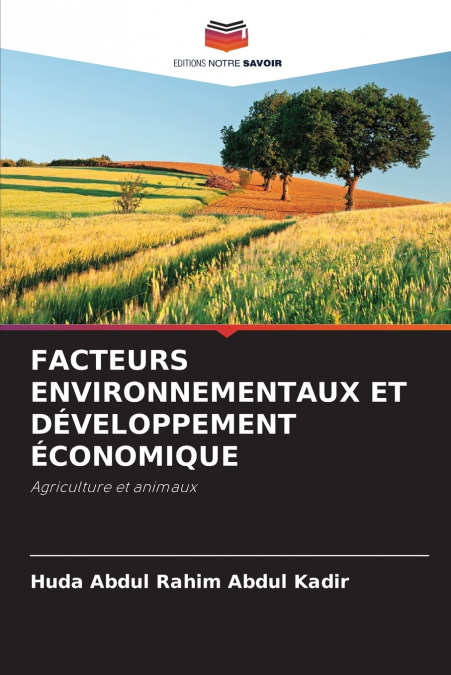
  • FACTEURS ENVIRONNEMENTAUX ET DÉVELOPPEMENT ÉCONOMIQUE
    Huda Abdul Rahim Abdul Kadir
    Les facteurs environnementaux qui nous entourent sont nombreux, les hommes, les animaux et les plantes en sont affectés, et affectent l’activité et la capacité de production, ainsi que l’économie de la vie qui en est affectée sous différents aspects. L’effet de ces facteurs se reflète clairement sur l’agriculture générale et comprend de nombreux types de produits, y compris les...
    Disponible

    54,38 €