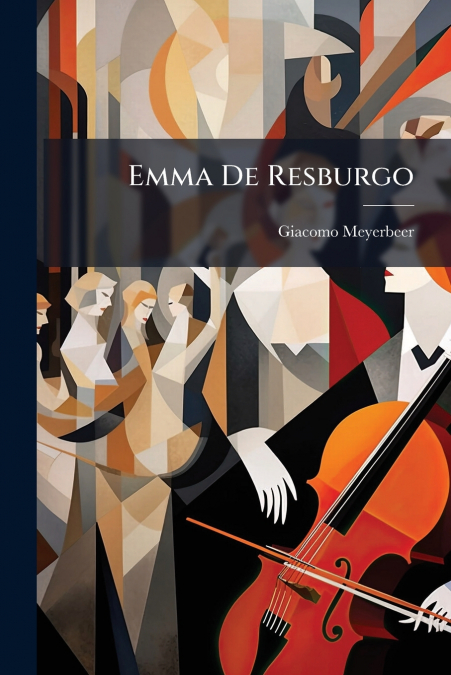
Giacomo Meyerbeer
L’Africaine is a grand opera in five acts by Giacomo Meyerbeer to a French libretto by Eugène Scribe. It was Meyerbeer’s last opera, premiered posthumously at the Théâtre Impérial de l’Opéra in Paris on April 28, 1865.Set in the late 15th century, the opera tells a story of love, exploration, and cultural clash. The narrative follows the intertwined fates of Vasco da Gama, Inès, and two enslaved individuals, Sélika and Nélusko, against a backdrop of maritime expeditions and exotic locales. Meyerbeer’s score is celebrated for its rich orchestration, dramatic vocal writing, and memorable melodies, reflecting the composer’s mastery of the grand opera genre.L’Africaine is a significant work in the operatic repertoire, showcasing Meyerbeer’s innovative approach to musical drama and his ability to create compelling characters and vivid historical settings. This edition preserves the original Italian libretto, making it accessible to scholars, performers, and opera enthusiasts.This work has been selected by scholars as being culturally important, and is part of the knowledge base of civilization as we know it. This work was reproduced from the original artifact, and remains as true to the original work as possible. Therefore, you will see the original copyright references, library stamps (as most of these works have been housed in our most important libraries around the world), and other notations in the work.This work is in the public domain in the United States of America, and possibly other nations. Within the United States, you may freely copy and distribute this work, as no entity (individual or corporate) has a copyright on the body of the work.As a reproduction of a historical artifact, this work may contain missing or blurred pages, poor pictures, errant marks, etc. Scholars believe, and we concur, that this work is important enough to be preserved, reproduced, and made generally available to the public. We appreciate your support of the preservation process, and thank you for being an important part of keeping this knowledge alive and relevant.