Inicio > Humanidades > Filosofía > Ética y filosofía moral > La instrucción de Ptahhotep y la instrucción de Ke’Gemni: Letra Grande
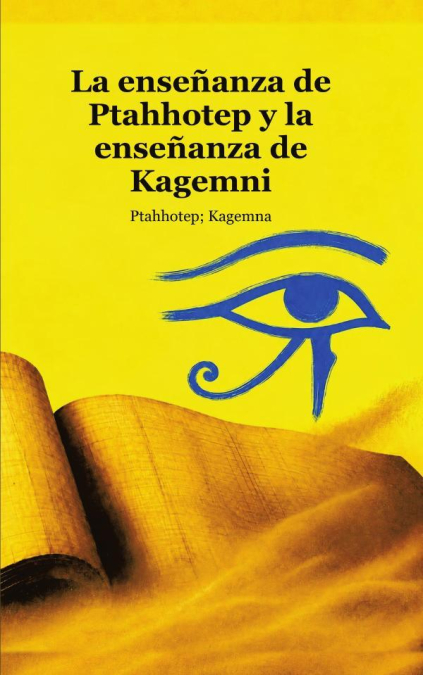
La instrucción de Ptahhotep y la instrucción de Ke’Gemni: Letra Grande

La instrucción de Ptahhotep y la instrucción de Ke’Gemni: Letra Grande

Kagemna / Ptahhotep

20,82 €
IVA incluido
Disponible
Editorial:
Muze Publications
Año de edición:
2026
Materia
Ética y filosofía moral
ISBN:
9781806988723
20,82 €
IVA incluido
Disponible
Añadir a favoritos

¿Qué hace que una persona merezca ser escuchada y esté preparada para liderar? Los maestros del antiguo Egipto respondían con lecciones de humildad, mesura y uso prudente del poder.La instrucción de Ptahhotep y la instrucción de Ke’Gemni reúnen dos obras de la literatura sapiencial egipcia, centradas en el carácter y la conducta. Dirigidas a quienes aprenden cuál es su lugar en la sociedad, estas enseñanzas reflexionan sobre las responsabilidades de la autoridad, el valor de escuchar con atención y los peligros del orgullo. Su mundo es jerárquico, pero su preocupación por el trato entre las personas aún resulta reconocible.En lugar de presentar un sistema abstracto de filosofía, las instrucciones ofrecen máximas arraigadas en la vida social: cuándo hablar, cómo recibir consejos y por qué hay que poner límites a los deseos y la ambición. Abren una ventana a los ideales morales del antiguo Egipto y, a la vez, plantean preguntas que siguen siendo relevantes en el trabajo, la familia y la vida pública. Leerlas significa encontrarse tanto con una cultura distante como con conflictos humanos familiares en torno al estatus, el juicio y el dominio de uno mismo.Lo que encontrará el lector:Liderazgo ético — Los consejos sobre la autoridad vinculan la posición de una persona con la responsabilidad de actuar con sabiduría.El arte de escuchar — La disposición a atender a los demás cuestiona la idea de que el rango o la seguridad en uno mismo garanticen comprensión.Palabra y mesura — Los consejos sobre hablar con prudencia exploran la relación entre el dominio de uno mismo y el buen juicio.Humildad y conducta — Las advertencias contra el orgullo sitúan la modestia en el centro de un comportamiento social honorable.Un antiguo mundo moral — Las enseñanzas revelan ideales egipcios de orden, responsabilidad y relaciones entre personas de distinto estatus.Esta obra interesará a quienes leen filosofía antigua, exploran la historia y la literatura egipcias y se sienten atraídos por la larga historia del liderazgo ético. Sus preocupaciones prácticas invitan a la reflexión sin exigir que se pase por alto la distancia entre aquella sociedad y la nuestra.Acérquese a estos antiguos consejos y considere qué pueden enseñarnos todavía la escucha, la humildad y la mesura.Edición en letra grande: texto de 16 puntos para una lectura cómoda. 10
Artículos relacionados

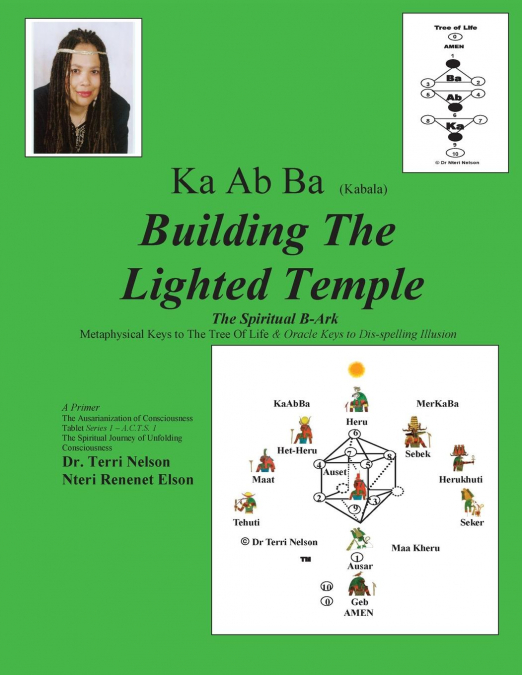
  • Ka Ab Ba Building The Lighted Temple
    Dr Terri R. Nelson / Dr Terri RNelson
    The book KaAbBa Building The Lighted Temple/Metaphysical Keys to the Tree of Life draws a circle that is inclusive of the Afrikan origin of the Ancient Kemetic/Egyptian wisdom. It reveals the undeniable root and link of Ancient Africa to all the religious systems that would develop worldwide. This book is explosive in its power to convey the meaning of KaAbBa, the Medu Neter  (...
    Disponible

    45,14 €

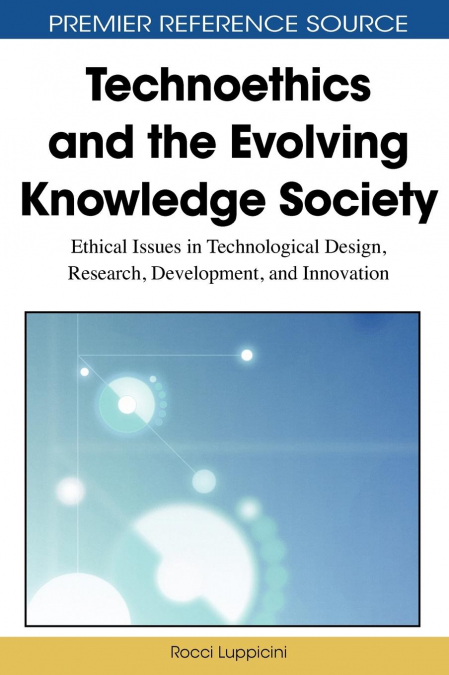
  • Technoethics and the Evolving Knowledge Society
    Rocci Luppicini
    Recently, there has been a major push to rediscover the ethical dimension of technology across the sciences, social sciences, and humanities. Technoethics and the Evolving Knowledge Society: Ethical Issues in Technological Design, Research, Development, and Innovation examines human processes and practices connected to technology embedded within social, political, and moral sph...
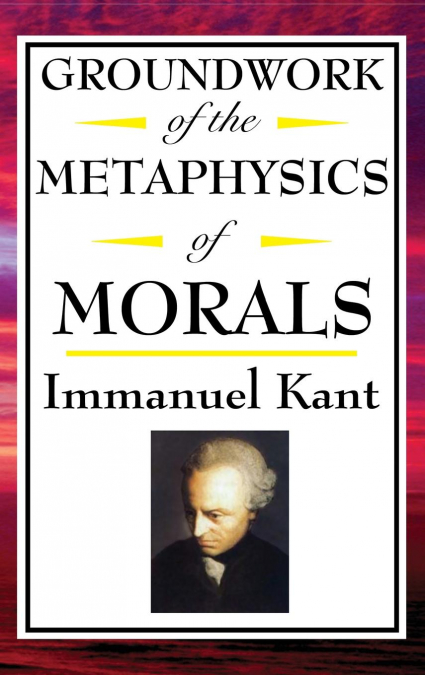
  • Kant
    Immanuel Kant
    Kant’s Groundwork of the Metaphysics of Morals is one of the most important works in modern moral philosophy. It belongs beside Plato, Aristotle, Machiavelli, and Hobbes. Here Kant sets out to articulate and defend the Categorical Imperative - the fundamental principle that underlies moral reasoning - and to lay the foundation for a comprehensive account of justice and human vi...
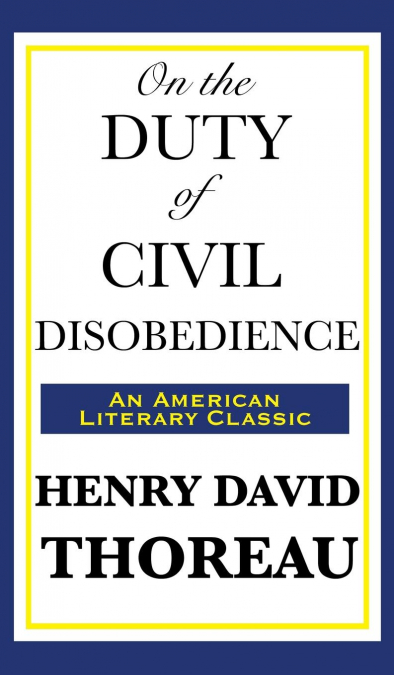
  • On the Duty of Civil Disobedience
    HENRY DAVID THOREAU
    Civil Disobedience argues that citizens should not permit their governments to overrule their consciences, and that they have a duty to avoid allowing their acquiescence to enable the government to make them the agents of injustice. Thoreau was motivated in part by his disgust with slavery and the Mexican-American War, but the sentiments he expresses here are just as pertinent ...
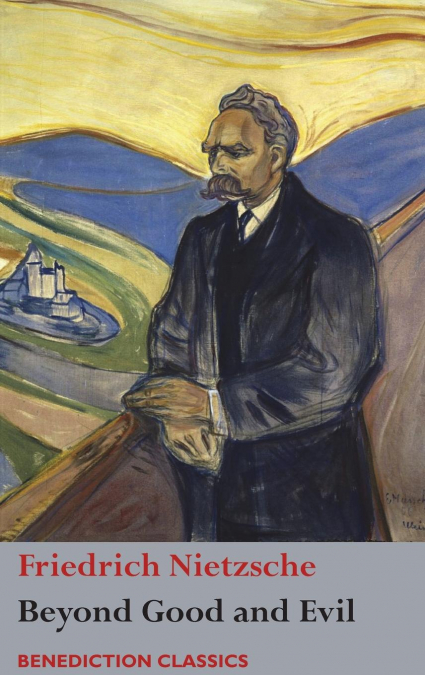
  • Beyond Good and Evil
    Friedrich Nietzsche
    Nietzsche, though primarily a philosopher, wrote widely on art, philology, history, religion, tragedy, culture, and science.  In 1886, at the height of his powers, he published Beyond Good and Evil.  Here he examines much of the best of human thought--dogmatic philosophy, Judeo-Christian morality, science and democracy – and finds it lacking.  Rejecting “slave-morality” he pres...
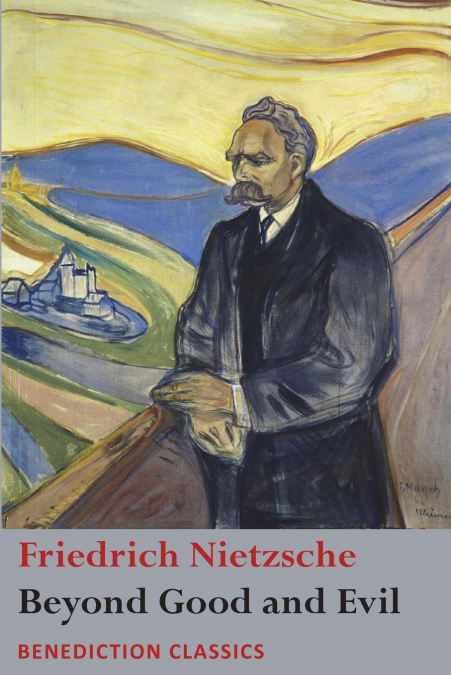
  • Beyond Good and Evil
    Friedrich Nietzsche
    Nietzsche, though primarily a philosopher, wrote widely on art, philology, history, religion, tragedy, culture, and science.  In 1886, at the height of his powers, he published Beyond Good and Evil.  Here he examines much of the best of human thought--dogmatic philosophy, Judeo-Christian morality, science and democracy – and finds it lacking.  Rejecting “slave-morality” he pres...
    Disponible

    10,94 €