Inicio > Medicina > Medicina clínica e interna > Neurología y neurofisiología clínicas > Glial-Neuronal Signaling in Neuroendocrine Systems
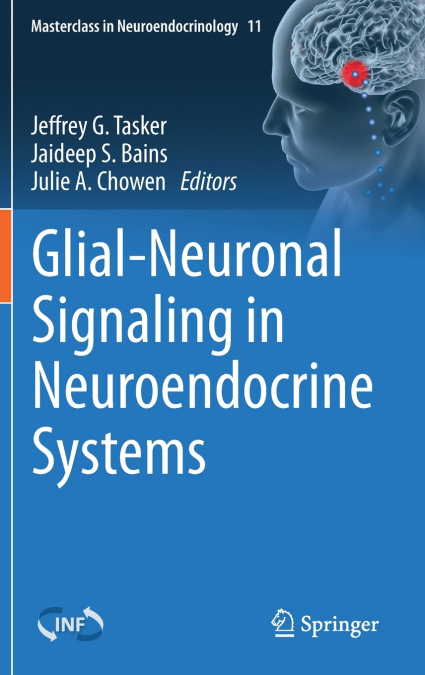
Glial-Neuronal Signaling in Neuroendocrine Systems

Glial-Neuronal Signaling in Neuroendocrine Systems


221,16 €
IVA incluido
Disponible
Editorial:
Springer Nature B.V.
Año de edición:
2021
Materia
Neurología y neurofisiología clínicas
ISBN:
9783030623821
221,16 €
IVA incluido
Disponible
Añadir a favoritos

This volume discusses current research on glial-neuronal interactions in several neuroendocrine systems. Glial-neuronal bidirectional transmission represents one of the fastest-growing areas of investigation in neuroscience today. Unraveling the interactions and signaling synergy between glial cells and neurons is critical to advancing our understanding of brain function. Consequently, this book summarizes the latest findings on the roles of astrocytes, microglia and tanycytes in the control of synaptic transmission, synaptic plasticity, blood-brain signaling, neuroinflammation and immune signaling. In addition, leading experts in the field discuss how reproductive function, the stress response and energy homeostasis are regulated by glial-neuronal communication. Given its scope, the book is essential reading for undergraduate and graduate students in the neurosciences, as well as postdoctoral fellows and established researchers who are looking for a comprehensive overview of glial-neuronal crosstalk in neuroendocrine systems. This is the eleventh volume in the International Neuroendocrine Federation (INF) Masterclass in Neuroendocrinology series (Volumes 1-7 published by Wiley), which aims to illustrate the highest standards and highlight the latest technologies in basic and clinical research, and aspires to provide inspiration for further exploration into the exciting field of neuroendocrinology.Chapter 6 is available open access under a Creative Commons Attribution 4.0 International License via link.springer.com.
Artículos relacionados

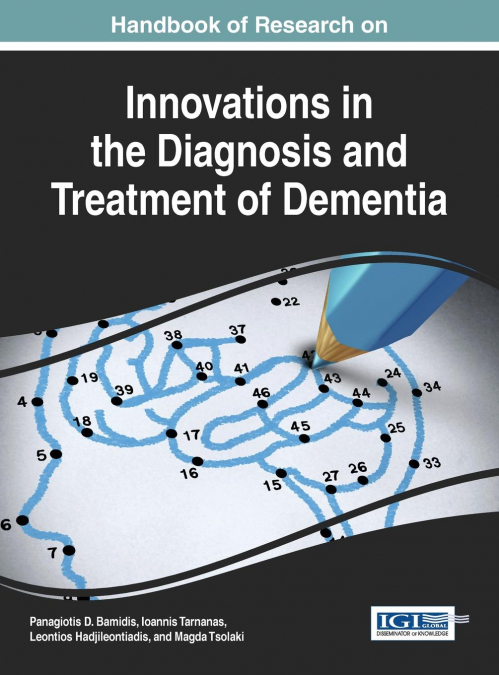
  • Handbook of Research on Innovations in the Diagnosis and Treatment of Dementia
    Ionnis Tarnanas / Leontios Hadjileontiadis / Panagiotis D Bamidis
    Technology is playing an increasing role in the lives of the elderly. One of the most prevalent developments for the aging population is the use of technological innovations for intervention and treatment of individuals with mental impairments. The Handbook of Research on Innovations in the Diagnosis and Treatment of Dementia offers empirical research and theoretical analyses o...
    Disponible

    321,88 €

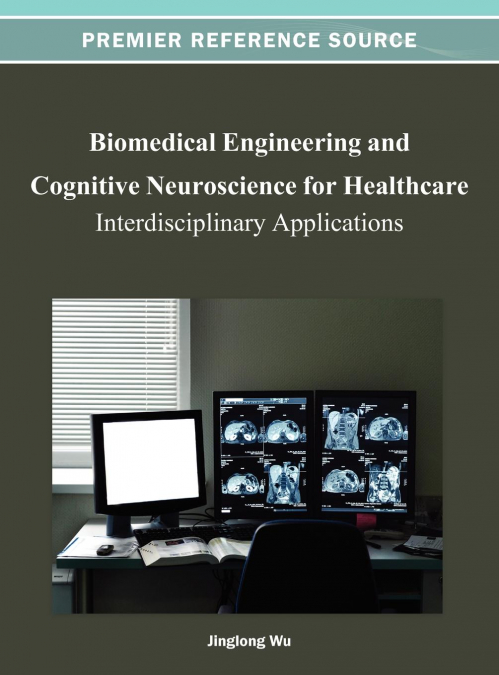
  • Biomedical Engineering and Cognitive Neuroscience for Healthcare
    Jinglong Wu
    New developments in medical technology have paved the way for the ongoing studies of cognitive neuroscience and biomedical engineering for healthcare. Their different but interconnected aspects of science and technology seek to provide new solutions for difficult healthcare problems and impact the future of the quality of life. Biomedical Engineering and Cognitive Neuroscience ...
    Disponible

    321,66 €

  • Effects of Partial Spinal Cord Injuries on the Functional Connectivity of the Primate Brain
    John Thomas
    The somatosensory system, one of the five main sensory systems in our body enables perception through touch, to help decipher the shape and texture of the objects, and know about the relative position of our body parts. It also helps avoid noxious stimuli by analysing the information about temperature and pain. The system comprises of three major ascending sensory pathways: the...
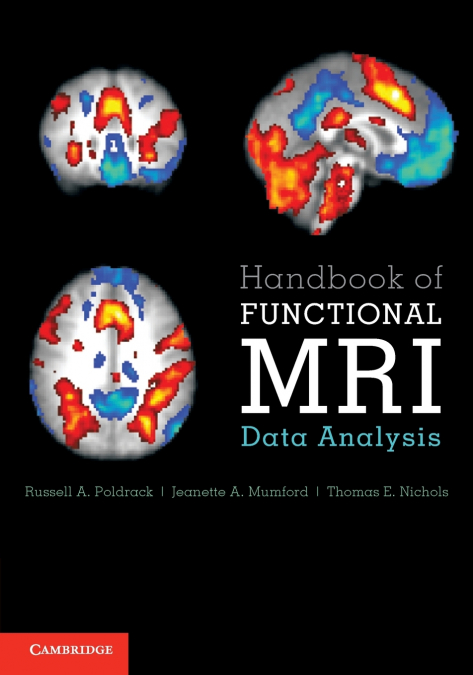
  • Handbook of Functional MRI Data Analysis
    Jeanette A. Mumford / Russell A. Poldrack / Thomas E. Nichols
    ...
    Disponible

    63,88 €

  • Molecular Mechanisms of Hcy-Induced Neurotoxicity
    Bhavneet Kaur
    'Molecular Mechanisms of Hcy-Induced Neurotoxicity' by Bhavneet Kaur is an in-depth exploration of the molecular mechanisms underlying the neurotoxic effects of homocysteine (Hcy) on the brain. Hcy is an amino acid that is normally found in the body, but at high levels it can be toxic to neurons and contribute to neurological disorders such as Alzheimer’s disease, Parkinson’s d...
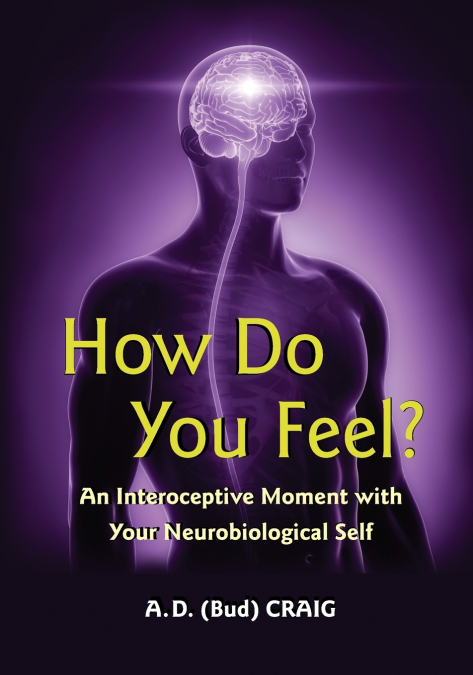
  • How Do You Feel?
    A. D. Craig
    A book that fundamentally changes how neuroscientists and psychologists categorize sensations and understand the origins and significance of human feelingsHow Do You Feel? brings together startling evidence from neuroscience, psychology, and psychiatry to present revolutionary new insights into how our brains enable us to experience the range of sensations and mental states kno...
    Disponible

    47,73 €