Benzodiazepine

Benzodiazepine


103,26 €
IVA incluido
Disponible
Editorial:
Springer Nature B.V.
Año de edición:
1986
Materia
Neurología y neurofisiología clínicas
ISBN:
9783540156345
103,26 €
IVA incluido
Disponible
Añadir a favoritos

In allen klinischen Disziplinen der Medizin werden Benzodiazepine therapeutisch eingesetzt. Diese Entwicklung war nicht vorauszusehen, als vor 25 Jahren das erste Benzodiazepin-Derivat (Chlordiazepoxid) als 'Ataraktikum', als 'Tran­ quilizer' in der Psychiatrie eingeführt wurde. Inzwischen gehören die zahlreichen Benzodiazepine und wirkungsähnliche, strukturverwandte Pharmaka weltweit zu den am häufigsten verordneten Arznei­ mitteln. Das ursprüngliche Indikationsgebiet der Benzodiazepine bei psychiatri­ schen Patienten - die sogenannte Anxiolyse - ist längst nur noch ein Teilbereich der vielfältigen Anwendungsmöglichkeiten für dieses Arzneimittel. In einigen Indikationsgebieten (z. B. als Schlafmittel) haben die Benzodiazepine inzwischen ältere Medikamente (z. B. Barbiturate) völlig zu Recht sehr weitgehend verdrängt. Das Urteil über Nutzen und Risiken der Benzodiazepine hat sich in den letzten Jahren immer wieder einmal geändert. Jetzt sind die Meinungen oft so kontrovers, daß Benzodiazepine im Widerstreit völlig unterschiedlicher Ansichten stehen. Das hängt damit zusammen, daß man aus verschiedenen Perspektiven zu durchaus divergierenden Ansichten kommen kann. So wird der in der Praxis tätige Arzt womöglich anders urteilen als der Kliniker; der Nervenarzt kann zu einem anderen Urteil kommen als die Ärzte anderer Fachdisziplinen; der Anästhesist, der Suchtexperte, der klinische Pharmakologe, der Schlafforscher, der Epileptologe, der Psychotherapeut und der Toxikologe haben oft weit voneinander abweichende, manchmal sogar völlig konträre Ansichten über die therapeutische Bedeutung der Benzodiazepine - über deren Nutzen und deren Risiko. Aber nicht nur die verschiedenen fachlichen Perspektiven können zu unter­ schiedlichen Ansichten führen; auch aus der Perspektive eines einzelnen Fachs haben sich innerhalb der vergangenen 25 Jahre immer wieder neue, sich durchaus wandelnde Einschätzungen der Benzodiazepine ergeben.
Artículos relacionados

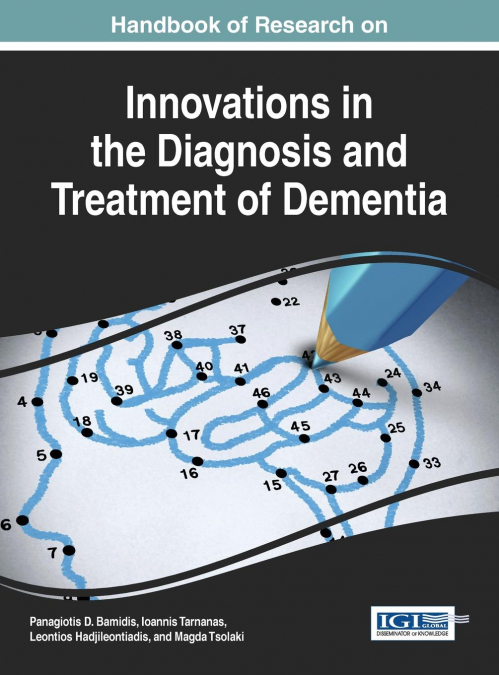
  • Handbook of Research on Innovations in the Diagnosis and Treatment of Dementia
    Ionnis Tarnanas / Leontios Hadjileontiadis / Panagiotis D Bamidis
    Technology is playing an increasing role in the lives of the elderly. One of the most prevalent developments for the aging population is the use of technological innovations for intervention and treatment of individuals with mental impairments. The Handbook of Research on Innovations in the Diagnosis and Treatment of Dementia offers empirical research and theoretical analyses o...
    Disponible

    321,88 €

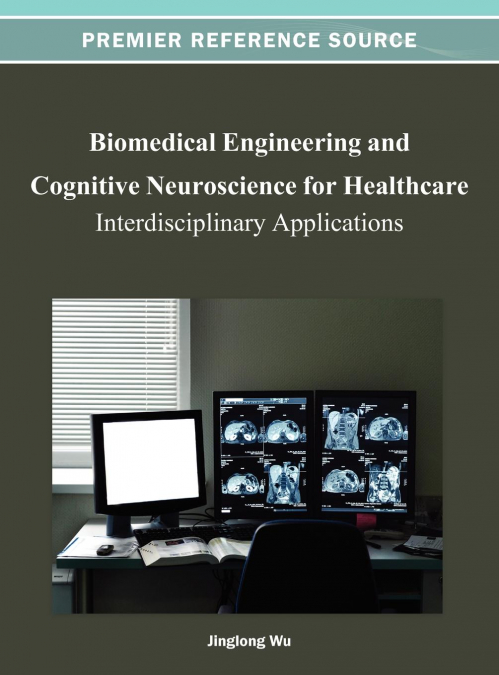
  • Biomedical Engineering and Cognitive Neuroscience for Healthcare
    Jinglong Wu
    New developments in medical technology have paved the way for the ongoing studies of cognitive neuroscience and biomedical engineering for healthcare. Their different but interconnected aspects of science and technology seek to provide new solutions for difficult healthcare problems and impact the future of the quality of life. Biomedical Engineering and Cognitive Neuroscience ...
    Disponible

    321,66 €

  • Effects of Partial Spinal Cord Injuries on the Functional Connectivity of the Primate Brain
    John Thomas
    The somatosensory system, one of the five main sensory systems in our body enables perception through touch, to help decipher the shape and texture of the objects, and know about the relative position of our body parts. It also helps avoid noxious stimuli by analysing the information about temperature and pain. The system comprises of three major ascending sensory pathways: the...
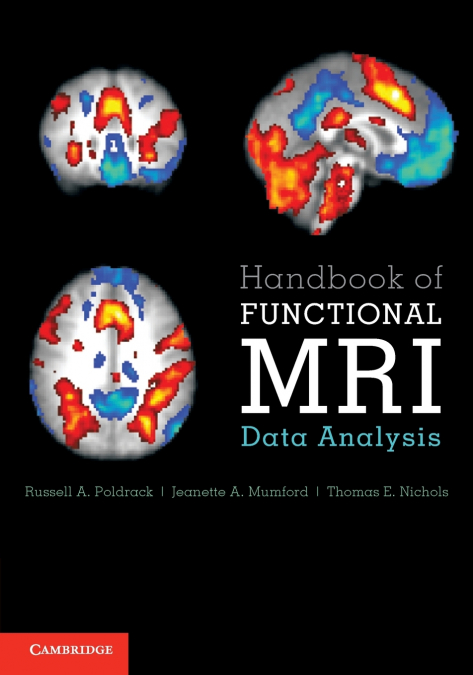
  • Handbook of Functional MRI Data Analysis
    Jeanette A. Mumford / Russell A. Poldrack / Thomas E. Nichols
    ...
    Disponible

    63,88 €

  • Molecular Mechanisms of Hcy-Induced Neurotoxicity
    Bhavneet Kaur
    'Molecular Mechanisms of Hcy-Induced Neurotoxicity' by Bhavneet Kaur is an in-depth exploration of the molecular mechanisms underlying the neurotoxic effects of homocysteine (Hcy) on the brain. Hcy is an amino acid that is normally found in the body, but at high levels it can be toxic to neurons and contribute to neurological disorders such as Alzheimer’s disease, Parkinson’s d...
  • How Do You Feel?
    A. D. Craig
    A book that fundamentally changes how neuroscientists and psychologists categorize sensations and understand the origins and significance of human feelingsHow Do You Feel? brings together startling evidence from neuroscience, psychology, and psychiatry to present revolutionary new insights into how our brains enable us to experience the range of sensations and mental states kno...
    Disponible

    47,73 €